

If you’re searching for city of Dallas homes for sale, spring 2026 offers a dynamic market with options spanning nearly every price point and lifestyle. Whether you’re moving to Texas for work or looking to find your next home closer to downtown, understanding the current landscape helps you move forward with confidence.
As of April 2026, the Dallas real estate market offers a wide range of homes, with prices varying from around $100,000 to over $60 million. The median listing price sits approximately between $415,000 and $470,000, reflecting the mix of single-family homes, townhouses, and condos available throughout the city.
Price ranges differ dramatically by neighborhood. Oak Cliff offers accessible entry points in the $300,000s, while Preston Hollow commands luxury pricing above $2,500,000. Dallas is home to 23 Fortune 500 companies, creating consistent demand. Each year, the State Fair of Texas draws millions to Fair Park, adding to the city’s appeal.

Prices vary significantly between central Dallas, inner-ring neighborhoods, and nearby suburbs. Located neighborhoods can significantly affect pricing, with urban areas typically having higher median prices compared to suburban ones.
Oak Cliff averages around $325,000 to $375,000 for 3-bedroom single-family homes, making it attractive for buyers seeking affordability with character. Uptown Dallas condos and townhomes commonly range between $650,000 and $725,000. Lower Greenville single-family homes average around $725,000 to $775,000 by early 2026. Preston Hollow and the 75205 area see luxury homes averaging above $2,400,000 to $2,600,000.
Many homes in desirable neighborhoods are listed between $300,000 and $700,000, offering 3-4 bedrooms. Property age, school district, and proximity to downtown heavily influence these figures.
The average home price in Dallas is approximately $499,000, reflecting a 14.7% increase year-over-year as of March 2026. This growth stems from strong buyer demand paired with limited inventory in popular areas.
On average, homes in Dallas are taking about 41 to 45 days to go under contract. The Dallas housing market has transitioned into a more balanced state, moving away from rapid price acceleration seen in previous years. Portals like Zillow, Realtor.com, Redfin, and Homes.com, along with curated Texas property listings from an experienced DFW Realtor, list the latest real estate offerings for reference when tracking current conditions.
Within Dallas city limits, neighborhoods differ widely in character and price point. High-density housing options, such as urban condos and townhomes, are readily available in the City Center District and Uptown, reflecting the broader Dallas-Fort Worth lifestyle and community amenities.
Uptown Dallas attracts young professionals with walkable streets, high-rise condos, and prices in the high-$600,000s to low-$700,000s. Lower Greenville and the M Streets feature early-20th-century bungalows selling between $650,000 and $800,000.
Oak Cliff, including Bishop Arts District, remains more affordable with listings in the $300,000 to $450,000 range. Preston Hollow and Park Cities represent the city’s most prestigious areas, with estates often exceeding $2,000,000.
The Dallas Arts District is a world-renowned cultural hub, home to the Dallas Museum of Art, the Nasher Sculpture Center, and the Morton H. Meyerson Symphony Center. Cedar Hill State Park features expansive trails and picturesque views of Joe Pool Lake for those who enjoy outdoor activities.
Some buyers who work in Dallas consider nearby cities for price or lifestyle reasons, often exploring Fort Worth real estate market opportunities alongside other suburbs. The average home price in Frisco is approximately $732,500, indicating a strong market there. In the neighborhood of Southlake, the average home price is around $2,372,500, making it one of the most expensive areas near Dallas.
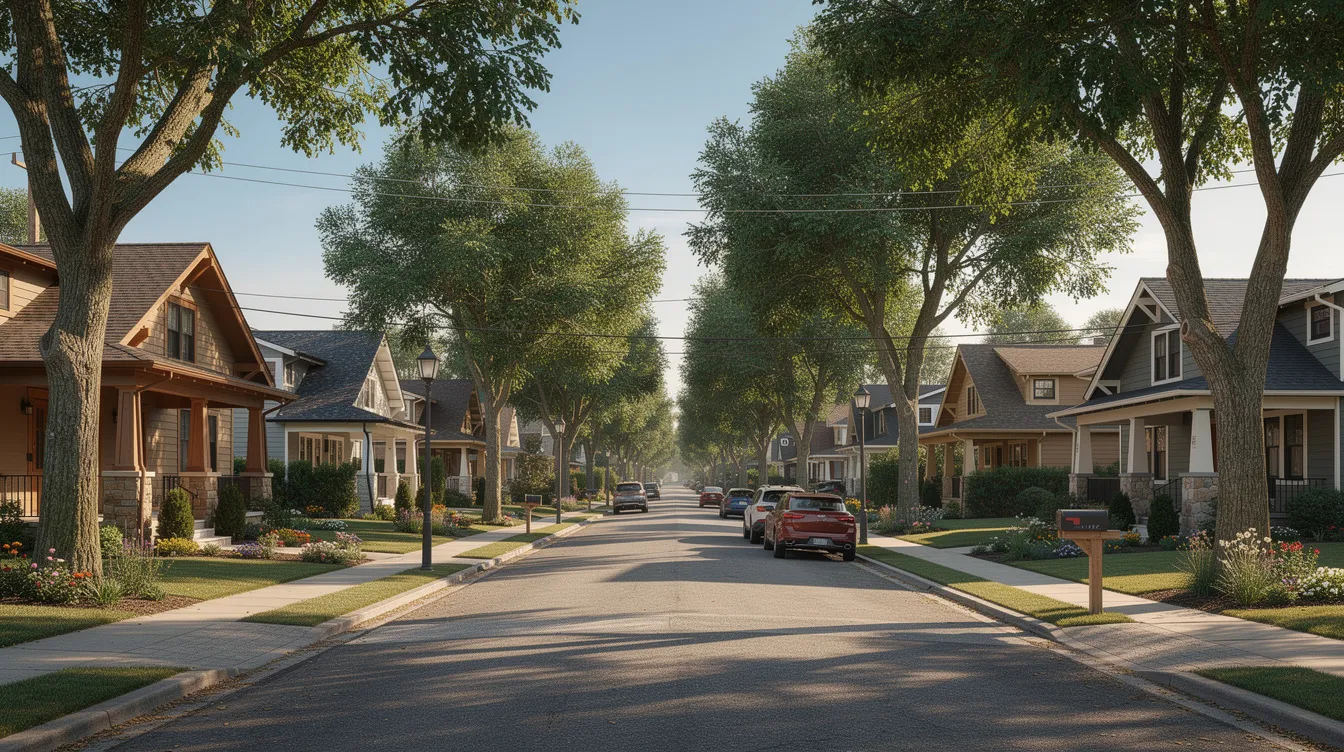
McKinney offers homes around $540,000 median, while Arlington sits near $360,000 and Fort Worth around $350,000, reflecting broader Fort Worth housing trends and neighborhood insights. The region is known for its breweries and wineries, with destinations like Grapevine offering a deep history of winemaking. Popular lakes for outdoor activities include Lake Ray Roberts, Lake Texoma, and Lake Tawakoni, ideal for fishing and boating, while nearby urban cores like Fort Worth offer historic neighborhoods with Craftsman-style homes for sale.
Dallas offers historic single-family homes, new-construction infill, condos, townhomes, and luxury estates. Buyers can benefit from regional insights and DFW real estate guides and market trends when comparing options. Texas is a national leader in home building, with significant new construction pipelines in suburban outskirts.
Classic single-family homes in Lakewood, East Dallas, and Oak Cliff range from mid-$300,000s to $900,000+ depending on renovation level. Prices for affordable homes generally range from $100,000 to $250,000, often including 2-3 bedroom layouts or smaller, older homes.
High-rise condos concentrate in Downtown, Uptown, Victory Park, and Turtle Creek, with units from $275,000 to $750,000. Numerous luxury homes and condos in elite neighborhoods are available, with some exceeding $10 million, and buyers considering attached living may also explore townhomes for sale in Fort Worth as part of their broader North Texas search.
Dallas and the surrounding North Texas region offer a variety of outdoor activities including regular and mountain biking, hiking, and climbing, with numerous trails and parks available, complementing the lifestyle appeal described in broader Fort Worth market and community overviews.
Homes for sale in Dallas come through private sellers or occasionally through surplus real estate sales by the city itself. Most buyers work with agents to purchase via MLS listings, which you can access through major search portals.
The City of Dallas holds public surplus property sales 2-3 times yearly, including vacant lots and residential structures. Deposits must typically be paid by cashier’s check or money order payable to the City of Dallas, as stated in sale advertisements.
Buying city-owned property requires additional due diligence. The process involves reviewing published sale lists, attending scheduled auctions, press requirements for preparing deposits, and confirming any rehabilitation obligations.
Consulting with a real estate attorney before bidding helps navigate municipal rules, especially for properties needing major repairs, and partnering with a Dallas-Fort Worth real estate expert like Melissa Serna can further streamline the purchase process.
Current conditions show low inventory creating competition, though buyers currently have more leverage due to rising inventory and longer market times. There is currently about a 5-month supply of homes available in the Dallas-Fort Worth area, a significant increase from years past.
The Dallas metropolitan area is recognized as one of the fastest-growing regions in the United States, driven by a thriving tech industry and diverse economic sectors. Resources that showcase living in the Dallas-Fort Worth area help buyers understand how job growth and amenities shape neighborhood demand. The North Texas region has a strong manufacturing sector, with companies like Texas Instruments contributing to the local economy, and many buyers rely on a client-focused Dallas-Fort Worth Realtor to interpret how these trends impact home values.
Many sellers and builders are currently offering incentives such as mortgage rate buydowns and closing cost credits due to a cooled market. While you can search listings on Google or dedicated portals, tracking monthly local data through Dallas-based professionals gives you neighborhood-level insight.
What are typical down payments and closing costs in Dallas TX? Down payments range from 3% to 20%, with FHA loans requiring 3.5%. Closing costs run approximately 2-4% of the purchase price.
Is earnest money required when making an offer? Yes, earnest money of 1-3% secures private offers and is typically refundable under contingencies. City surplus sales require non-refundable 10% deposits.
How often do City of Dallas surplus sales occur? Generally 2-3 times per year, with details posted through the city’s Facilities and Real Estate Management department, and interested buyers can also coordinate with a Dallas-Fort Worth Realtor’s contact page to receive guidance and updates.
Where can I find current Dallas listings? Local MLS feeds, brokerage websites, and portals like Zillow and Realtor.com show active inventory within city limits, as do specialized Dallas-Fort Worth listing pages curated by local agents.
This article is for informational purposes only and is not intended to provide legal, tax, or financial advice. Real estate laws and market conditions vary. Always consult with a licensed real estate professional or appropriate advisor regarding your specific situation.



.png)