

Buying a home in Texas comes with fees beyond the purchase price, and those closing costs can catch even prepared buyers off guard. For eligible Texas veterans, the good news is that multiple programs exist to reduce or eliminate what you pay at the closing table.
This guide breaks down every major source of Texas veteran closing cost assistance, from federal VA loans to state-level programs run by the Texas Veterans Land Board. You’ll learn exactly who qualifies, what documents you need, and how to stack benefits for maximum savings.
Texas veterans can combine VA loans with state programs to dramatically reduce or sometimes eliminate closing costs entirely. Most of the help comes from three primary sources: federal VA loan rules, Texas Veterans Land Board loans, and state-sponsored down payment assistance programs like those offered by the Texas State Affordable Housing Corporation (TSAHC).
While the Veterans Housing Assistance Program itself does not automatically waive closing costs, its low fixed rate loans, potential lender credits, and partner programs can significantly cut the cash you need at closing. Some veterans may qualify for programs that significantly reduce out-of-pocket costs when they use these programs strategically.
Here’s what you need to know upfront:
Two major pillars support home financing for Texas veterans: federal VA loans available to service members nationwide, and the Texas Veterans Land Board’s Housing Assistance Program available only to those with qualifying ties to Texas.
VA loans come from private lenders but are guaranteed by the Department of Veterans Affairs. This federal backing allows zero down payment and eliminates private mortgage insurance requirements. The Texas Veterans Land Board offers its own low interest loan products with discounted interest rates that can be used alongside or instead of traditional VA financing.
Texas veterans often combine benefits by using a VA loan that also meets VLB guidelines, gaining both VA protections and VLB rate discounts. In certain cases, eligible programs can be combined to produce some of the lowest effective borrowing costs available anywhere.
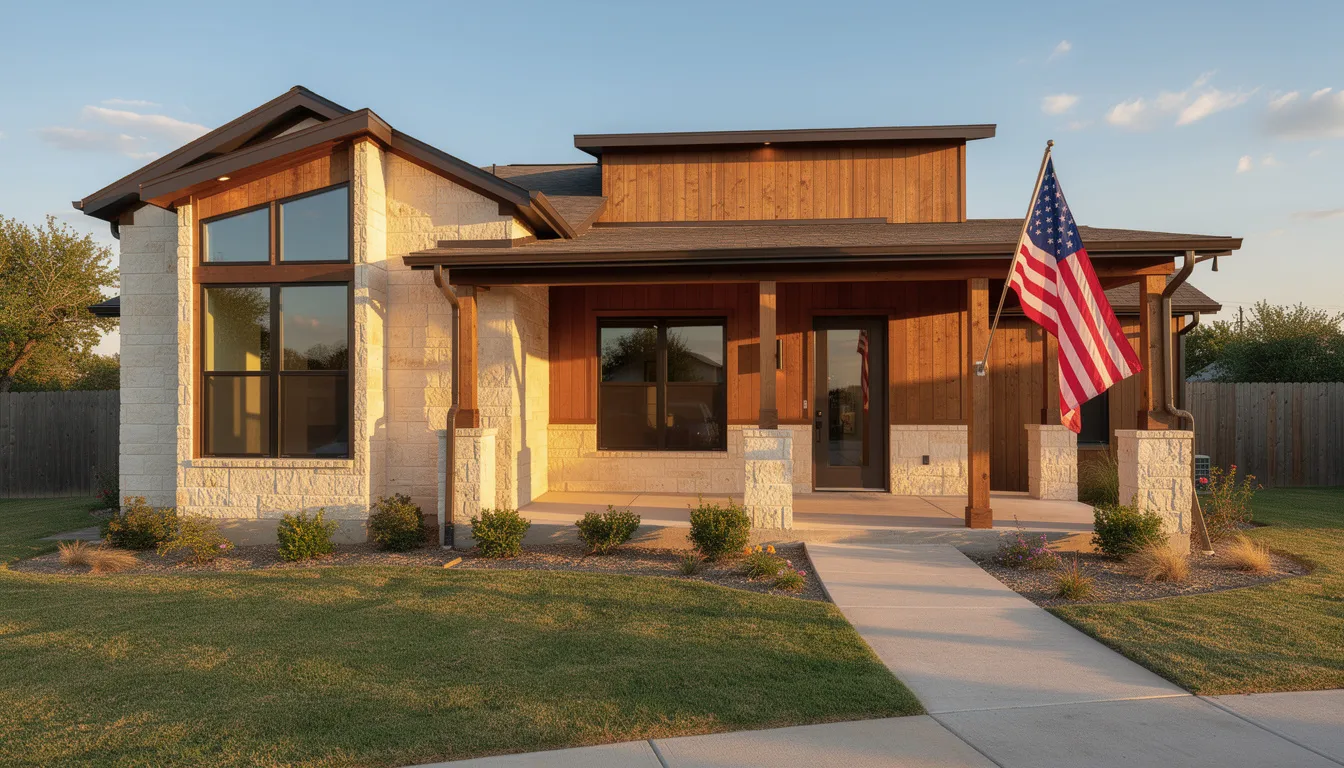
Closing costs include all non-down payment fees due when your home purchase is finalized. Even with a zero down payment VA loan, these expenses still need coverage through savings, seller credits, lender credits, or assistance programs.
Common buyer closing costs Texas veterans will see include:
On VA and VLB mortgage loans, certain junk fees that conventional borrowers pay are either limited or prohibited. However, the VA Funding Fee applies unless you qualify for an exemption. This one-time fee ranges from 1.25% to 3.3% of the loan amount depending on your service, down payment, and whether this is your first VA loan use.
For a median Texas home priced around $300,000, expect total closing costs between $5,000 and $15,000 before any credits or assistance programs are applied.
The VLB’s Veterans Housing Assistance Program focuses primarily on providing low, fixed rate loans rather than direct grants for closing costs. However, lower interest rates can free up cash flow and sometimes allow lenders to offer interest-rate-based credits that offset fees at the veteran’s request.
Understanding VLB loan mechanics helps with closing cost planning:
While the VLB itself does not directly pay closing costs, participating lenders may structure fees to help veterans bring less money to close. By accepting a slightly higher interest rate, you may receive lender credits that cover thousands in fees. This trade-off makes sense for veterans who prefer minimizing upfront costs over monthly payments.
The program ensures that eligible veterans who meet the following service criteria can access available discounts regardless of whether they are first time buyers or repeat purchasers.
Many closing cost benefits for Texas veterans come from combining VA or VLB loans with separate state housing programs. These additional layers can turn an already good deal into an exceptional one.
The Texas State Affordable Housing Corporation administers programs that can be paired with VA loans:
The “Homes for Texas Heroes” program is primarily aimed at public service professionals including teachers, law enforcement, firefighters, EMS personnel, and correctional officers. Military members working in these civilian roles may qualify for both veteran and professional categories of assistance.
City and county-level programs in major metros like Houston, Dallas, San Antonio, and Austin may offer additional grants or forgivable loans. These can sometimes be layered on top of VA/VLB financing for even greater savings.
Important considerations:
Even before accessing state benefits, the federal VA loan itself directly limits or shifts certain closing costs for eligible veterans. Understanding these built-in protections is essential.
The VA Funding Fee works as follows:
VA rules limit non-allowable fees, reducing junk charges compared with some conventional loans. The program allows:
Veterans can combine these VA rules with Texas assistance programs and VLB discounted rates to minimize total cash to close. A veteran purchasing a $400,000 home might use VA’s zero down payment, finance the funding fee, receive seller concessions, and layer TSAHC assistance to close with minimal out-of-pocket expense.
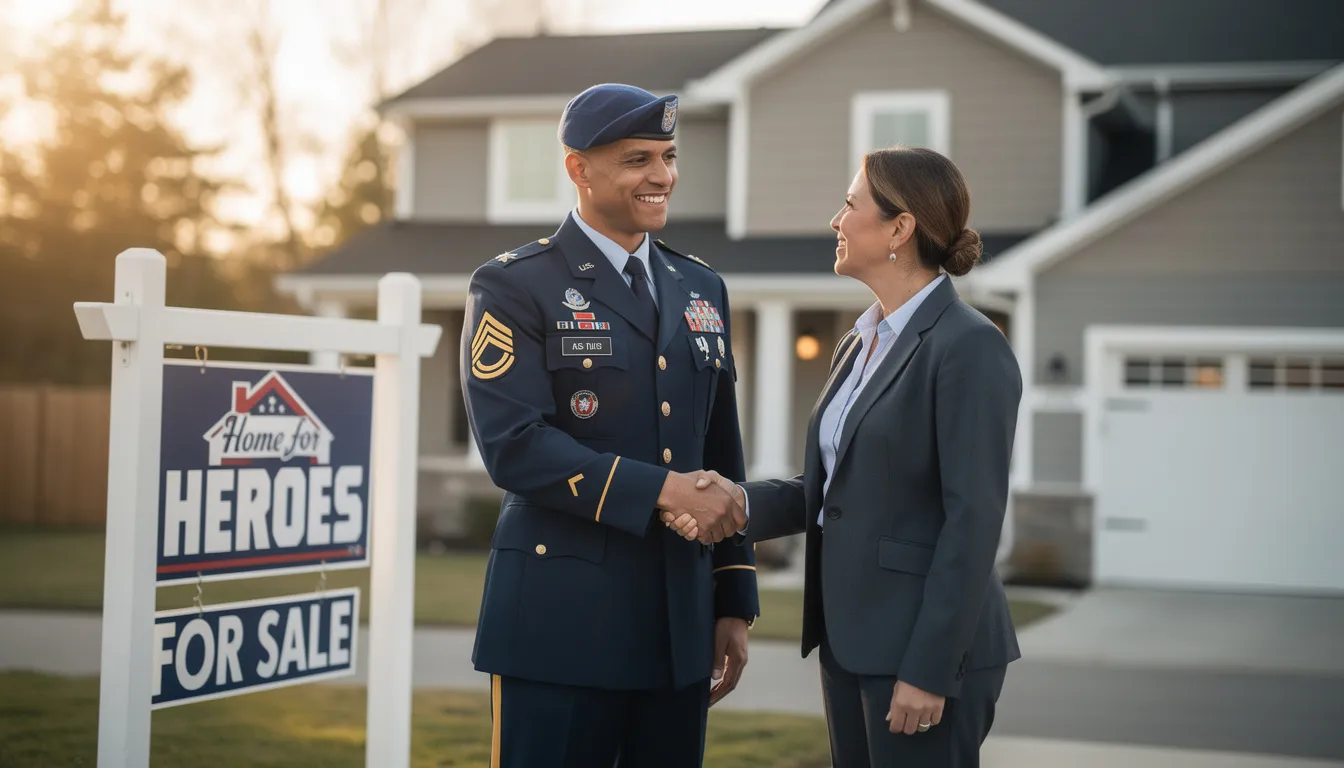
Different programs have separate eligibility rules, but they often overlap for Texas veterans. Here’s how qualification works across the major programs.
For Texas VLB Housing Assistance:
For VA Loans:
For State Down Payment and Closing Cost Programs:
If you're considering alternative paths to homeownership in Texas, learn more about rent-to-own home opportunities in Dallas, TX and how they can help you meet these requirements.
Many programs offer additional advantages for veterans with documented service-connected disabilities, including fee waivers, rate discounts, and expanded eligibility for grants.
Having documentation ready can speed up approval and access to closing cost assistance. Delays often occur when veterans cannot quickly produce required records.
Standard military service documentation:
How to obtain records:
Standard mortgage documentation:
Some Texas assistance programs require completion certificates from approved homebuyer education courses before releasing closing cost funds. These courses typically take a few hours and can be completed online.

Strategic layering of programs is the key to significant closing cost savings for Texas veterans. When structured correctly, you can access benefits from multiple sources simultaneously.
A typical benefit structure might look like this:
Some assistance comes as grants requiring no repayment. Others are forgivable second liens that may be forgiven after at least three years of occupancy if you meet all requirements. If you sell or refinance before the forgiveness period ends, you may owe a prorated repayment.
Working with an experienced Texas lender familiar with VA and VLB guidelines is essential. They can structure your financing to maximize allowable assistance and ensure all programs work together without conflicts.
Veterans who have previously used VA or VLB benefits can often reuse them after a previous loan is paid off and entitlement is restored. This makes these programs valuable for repeat buyers, not just first time buyers.
Example scenario: A veteran purchasing a $350,000 home in San Antonio could receive approximately $10,500 (3%) from TSAHC toward closing, negotiate $10,000 in seller concessions, and finance the VA Funding Fee. This veteran could potentially close with minimal out-of-pocket costs, depending on program eligibility, funding availability, and negotiated terms.
The process involves confirming eligibility, choosing the right loan type, and then adding assistance layers. Following this sequence prevents wasted effort and missed opportunities.
Step 1: Confirm military eligibility
Step 2: Choose a Texas lender experienced with VA and VLB
Step 3: Get preapproved
Step 4: Explore assistance add-ons
Step 5: Structure your purchase contract
Careful planning can prevent delays, denials, or unexpected cash requirements at closing. These mistakes catch many veterans off guard.
These practical questions come up frequently when Texas veterans explore their home buying options.
Can Texas veterans get all closing costs paid?
Often partially or mostly covered through a combination of grants, seller concessions, and lender credits. Full coverage is not guaranteed and depends on the specific programs you qualify for, the property location, and your negotiating success with the seller. Some veterans may close with very low out-of-pocket costs, depending on the programs they qualify for and the terms negotiated in the transaction.
How much closing cost assistance is typical?
Many programs provide a percentage of the loan amount, commonly 3% to 5%, subject to caps. For a $350,000 home, this could mean $10,500 to $17,500 in assistance. Some programs cap total assistance at specific dollar amounts like $15,000 regardless of loan type.
Is assistance limited to first-time homebuyers?
Many programs include repeat buyers, though some are first-time-only. VA and VLB loans allow reuse after previous loan payoff and entitlement restoration. TSAHC programs generally accept both first-time and repeat buyers who meet income and purchase price requirements.
Can surviving spouses access these benefits?
Yes, eligibility depends on specific VA and VLB rules. Surviving spouses of veterans who died in service, from service-connected causes, or while missing in action often qualify for VA loan benefits and may be eligible for VLB programs. VA Funding Fee exemptions also apply to qualifying surviving spouses.
Can veterans refinance and still get help with closing costs?
VA Interest Rate Reduction Refinance Loans (IRRRLs) may allow rolling costs into the new loan, reducing out-of-pocket expenses. However, most down payment assistance programs target purchase transactions only, not refinances. Land loans and home repairs may have separate financing options through VLB programs.
What about veterans from other states like New Mexico?
VA loans are federal and available nationwide. However, Texas VLB programs require Texas residency or duty station. Active duty military members stationed in Texas may qualify for VLB benefits regardless of home state. Similar state programs may exist in New Mexico and other states for veterans stationed there.
Where do I request more information?
Contact the Texas Veterans Land Board directly through their website or call TSAHC at 877-508-4611 for assistance program details. Your lender can also help determine which programs fit your financial situation and guide you through the application process.
Texas veteran closing cost assistance can transform homeownership from a financial stretch into an achievable goal. The key is understanding how federal VA benefits, state VLB loans, and assistance programs like TSAHC work together. Start by gathering your service documentation, connecting with a VLB-approved lender, and exploring which programs match your eligibility. Assistance may be available for qualified buyers, depending on program guidelines and funding.
Program guidelines, funding availability, and eligibility requirements change frequently. This information is provided for general educational purposes and is not a commitment to lend or guarantee of assistance. Buyers should verify details with a licensed lender or housing agency.



.png)