

If you're thinking about buying or selling a home in Fort Worth, you're probably wondering what the market actually looks like right now. Here's a clear, data-driven look at where things stand in mid-2026 and what you can expect in the months ahead.
The Fort Worth real estate market in mid-2026 is best described as balanced to mildly buyer-friendly. Prices have softened slightly from last year, inventory remains relatively lean, and homes are still moving at a reasonable pace - though not as fast as during the hot pandemic-era years. Sellers can still find success, but buyers have more breathing room than they've had in recent history.
Here's a quick data snapshot as of May 2026:
Compared to the national average, Fort Worth remains significantly more affordable - roughly 15% below the U.S. median sale price in major metros. Yet this city continues to attract attention from people moving in from higher-cost areas across the country, drawn by strong job growth in manufacturing, aerospace, and logistics. Mortgage rates in the mid-6% range, steady population growth, and ongoing in-migration are the major forces shaping the market right now.

Over the past 12 to 18 months, Fort Worth home prices have largely plateaued. After years of rapid appreciation, the median price has settled around $338,000, reflecting a modest decline of about 0.65% compared to the same time last year. Realtor.com data and other Fort Worth real estate market overviews show the median sold price closer to $333,992 - down roughly 4.75% year over year - suggesting that what buyers are actually paying has pulled back a bit more than what sellers are asking.
Home sales volume tells a slightly more optimistic story. In May 2026, about 2,980 homes sold in the Fort Worth area, up around 3.9% from 2,868 in May 2025. That uptick suggests demand hasn't disappeared - it's just more selective.
Time on market has crept upward. Homes now sit for about 47 days before going under contract, compared to 44 days a year ago. That's still faster than the national median of roughly 52 days, but the trend tells you that buyers are taking more time to decide. In april, about 25% of listings - roughly a quarter - had received at least one price reduction, a share that signals some sellers are setting expectations too high.
Performance also varies by price band. Entry-level homes under $300,000 tend to move faster with less discounting. Higher-end property above $500,000 often sits longer, with more frequent price cuts. If you're trying to understand where you fall in this spectrum, the number matters more than the citywide average.
Inventory in the Fort Worth area remains tight by historical standards but not alarmingly so. With roughly 5,873 active listings and a months-of-supply figure hovering around 4.3 to 4.4 months across the broader DFW market, we're sitting below the 5-to-6-month benchmark that most people consider balanced - but not so tight that buyers can't find options.
New home construction continues to play a meaningful role in supply. In suburbs like Haslet alone, at least 18 builders are actively developing new community subdivisions, offering everything from starter homes to mid-price move-ups. Builders like Centex, Highland Homes, and Lennar are putting up homes in North Fort Worth, Crowley, and South Fort Worth as well. For a broader view of these projects and other opportunities, you can review regional DFW real estate market guides and listings. The types of homes being built skew toward smaller single-family detached homes and some townhomes - which helps keep entry-level affordability within reach.
What's notable is that despite new listings and subdivisions entering the market, overall inventory hasn't expanded much. Buyers are absorbing new supply almost as fast as it arrives. Nationally, many markets have seen larger inventory increases, but Fort Worth's flat inventory count suggests local demand is still holding firm.
One thing I always tell my clients: Fort Worth is not one market. It's a collection of very different sub-markets, and the neighborhood you choose can make a bigger difference than the citywide numbers suggest, as many detailed Fort Worth housing market guides also point out.
In Downtown and the Near Southside, you'll find boutique options - historic lofts, renovated condos, and smaller-lot homes. Prices here tend to run $400,000 and up for quality units, and days on market can swing widely depending on how well a home is priced and presented.
In West Fort Worth - areas like Ridglea and near the Cultural District - mid-century single-family homes dominate. Typical prices range from the low $300,000s to mid-$500,000s. These West Fort Worth neighborhoods attract buyers looking for established character and solid school access.
In the Alliance corridor and North Fort Worth, including suburbs near Haslet, new construction is king. Buyers relocating from out of state often land here, drawn to newer homes in the mid-$300,000s to low $500,000s with lower maintenance and innovative model home floor plans.
Further south in Burleson and Crowley, you'll find larger lots and more affordable price points - often under $300,000 for a family home. These areas, along with other South Fort Worth neighborhoods, attract first-time buyers and people who prioritize space over a short commute to the dallas metro core.
In premium neighborhoods like TCU-Westcliff, Ridglea Hills, and Rivercrest, prices range from $600,000 to well over $1 million. Homes here can sit longer if overpriced, and sellers need to be especially strategic.
Proximity to major employment centers - downtown Fort Worth, the medical district, DFW Airport, and the Alliance logistics hubs - strongly influences pricing. Homes closer to jobs tend to fetch higher prices per square foot, while homes farther out compensate with lot size or newer amenities. Before you buy or sell, dig into the hyper-local data for your specific area rather than relying on citywide averages.
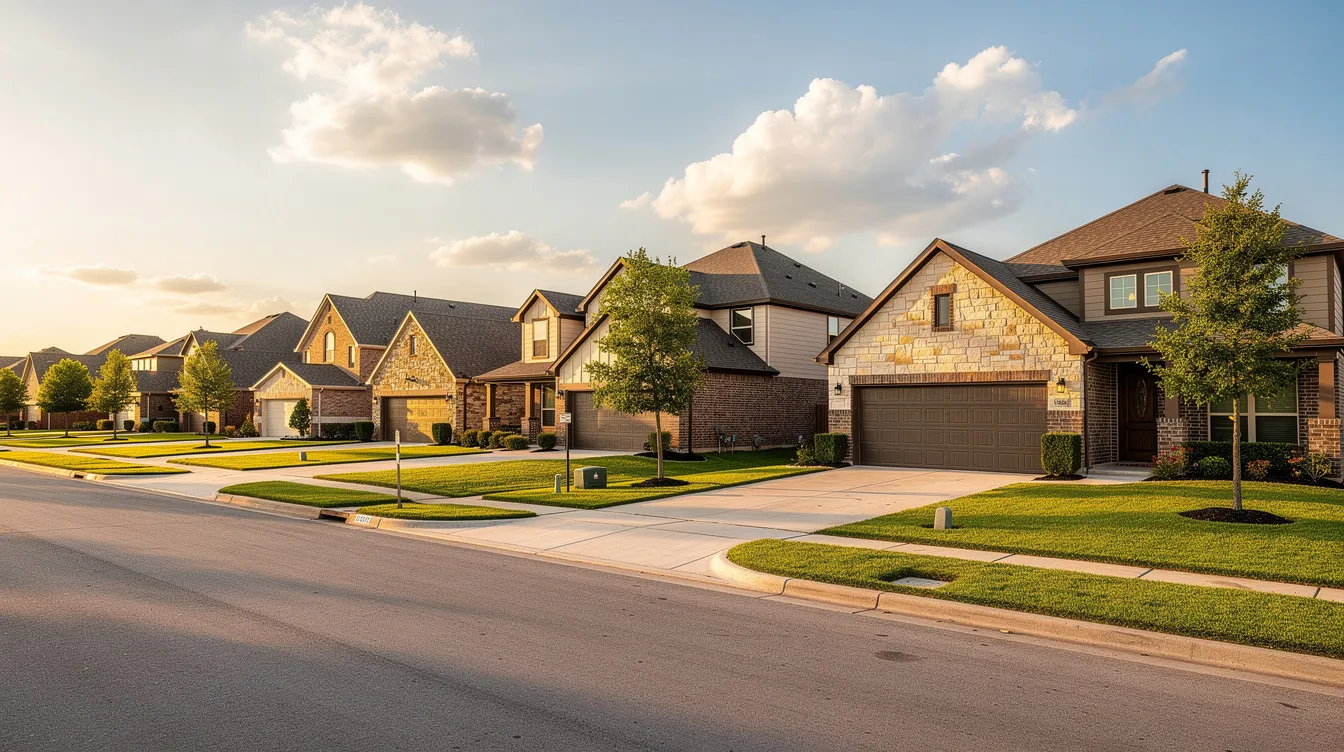
Since 2020, Fort Worth has been one of the top destinations for people moving from higher-cost metros, and that trend hasn't slowed. Many are drawn by the broader Dallas–Fort Worth lifestyle and economic advantages. According to Redfin search data, during January through March 2026, the top origins for prospective Fort Worth homebuyers included Los Angeles (about 1,150 user searches), Seattle (~793), and Chicago (~582), followed by San Francisco, Washington DC, and New York.
On the flip side, most people leaving Fort Worth stay within the state - heading to Houston, Austin, or San Antonio. The outbound volume is much smaller than the inbound flow, which keeps demand steady.
It's worth noting that this migration data is based on serious online search behavior - someone viewing 10 or more Fort Worth homes over a three-month window - rather than confirmed moves. Still, it serves as a strong leading indicator of where demand is headed.
Relocators tend to cluster in neighborhoods with move-in-ready homes, strong school districts, and reasonable commute times. That extra competition can make certain suburbs and close-in areas feel tighter than the overall market suggests, especially for well-priced, updated homes.
Fort Worth's biggest draw remains its affordability compared to much of the country. Based on Zillow data through May 2026, the average home value in the city sits around $300,445 - down about 2.3% year over year. Nationally, the median existing single-family home price has hovered above $400,000 in many metros, putting Fort Worth roughly 15% below that benchmark.
Local incomes add context. Average hourly earnings in the Fort Worth area were about $37.23 in May 2026, with wage growth of 3.4% and unemployment steady around 4.0%. The job market here remains an opportunity for buyers who want to enter homeownership in a growing area.
Consider a real-world example: a first-time buyer targeting a $300,000 starter home with 20% down would carry a mortgage of about $240,000. At current rates in the mid-6% range, monthly principal and interest would run roughly $1,435 to $1,500. Add property taxes, insurance, and any HOA fees, and total housing costs may land between $1,700 and $2,000 per month. In many Fort Worth suburbs, comparable rentals for a two- or three-bedroom apartment run $1,600 to $1,900, so buying can be only modestly more expensive on a monthly basis.
That said, elevated mortgage rates since 2022 have pushed some buyers toward townhomes in Fort Worth, condos, or more outlying suburbs where prices per square foot are lower. For most people, the trade-off between location and monthly payment is the key decision point right now.
Despite a more cautious environment, Fort Worth still offers real opportunity for buyers willing to do their homework. First-time buyers, remote workers with flexibility, and real estate investors in Fort Worth looking at rental yield can all find entry points - especially in suburbs where new construction keeps prices competitive and where job growth in logistics, aerospace, healthcare, and energy supports long-term demand.
On the risk side, interest rate volatility remains the biggest wildcard. If rates rise further, affordability tightens and some sub-markets could see modest price corrections, particularly in areas where recent sales have stretched valuations. Limited inventory in desirable school zones means well-priced homes can still draw multiple offers, so hesitation may cost you.
If you're planning to buy, get pre-approved before you start looking seriously. Watch rate movements closely and be ready to move quickly when a home matches your criteria. In neighborhoods where listings have been sitting or have had price reductions, you may have room to negotiate seller concessions. In tighter areas, that leverage simply won't be there. Study active Fort Worth home listings and read the neighborhood-level data before you make assumptions about your negotiating position.
The Fort Worth market is still friendly to sellers, but overpricing can fall flat. Homes listed above recent comparable sales tend to accumulate days on market and eventually require price cuts - which often lead to final sale prices below where you could have started. I see this with clients regularly: the homes that sell fastest and closest to asking are the ones priced accurately from day one.
To set an effective list price, use recent comparable sales within your specific zip code and neighborhood, factor in current listing trends (which are declining slightly), and honestly assess your home's condition relative to the competition. A redfin agent or any experienced local professional can help you reference the right data.
Preparation matters more than ever. Curb appeal is critical in Fort Worth - exterior condition, landscaping, and a clean front entry make strong first impressions. Inside, neutral paint, updated fixtures, and clean kitchens and bathrooms help buyers see themselves in the home. For move-up or higher-end homes, features like energy efficiency and smart home components are increasingly expected.
As for timing, spring and early summer remain the strongest seasons for home sales activity. But because Fort Worth attracts year-round relocators driven by job changes, a well-priced and well-presented home can sell in any season.

Looking ahead, local economists and housing analysts expect the Fort Worth market to produce modest, low single-digit price growth - somewhere in the range of flat to 1–3% appreciation over the next 12 to 18 months. A return to double-digit gains is unlikely in the current rate environment.
Mortgage rates will be the decisive factor. If rates ease, affordability improves and demand could pick up meaningfully, especially among move-up buyers. If rates hold steady or climb, expect the current balanced dynamic to persist.
Fort Worth's fundamentals remain strong. Population growth, business expansion in aerospace and logistics, and infrastructure investment across North Texas provide a solid demand floor - even if the broader U.S. housing market cools. However, downside scenarios exist: a national recession, significant local job losses, or a sharp jump in inventory could push the market more firmly toward buyers.
The bottom line? Fort Worth is not in a bubble, and it's not in decline. It's in a period of recalibration. Whether you're looking to buy or sell, base your decisions on current data, your personal timeline, and the specifics of your target area - not on what the market did in the past. When you understand your options clearly, you can move forward with confidence.
This article is for informational purposes only and is not intended to provide legal, tax, or financial advice. Real estate laws and market conditions vary. Always consult with a licensed real estate professional or appropriate advisor regarding your specific situation.




.png)