

If you’re thinking about making Fort Worth your home—or you’re already here and considering your next move—you’re in good company. This city has a way of surprising people. It blends the spirit of the Old West with a vibrant, modern urban life that keeps growing every year.
I’m Melissa Serna, a Keller Williams Realtor based right here in DFW, and I’ve had the privilege of helping buyers and sellers discover what makes Fort Worth such a special place to live. In this article, I want to share what I know about this city—from the neighborhoods and culture to the economy and real estate landscape—so you can get a feel for what daily life here can look like.
Fort Worth is a major city in North Texas and the county seat of Tarrant County. It covers roughly 350 square miles and officially crossed the 1 million resident mark in 2024, making it one of the fastest-growing large cities in the country. That kind of growth tells you something: people are finding real reasons to put down roots here.
The city is part of the Dallas–Fort Worth metroplex, but it has its own distinct identity. You’ll often hear Fort Worth described as “where the West begins,” and that phrase captures something true about the place. The history of cattle drives and frontier commerce lives on in the architecture, the culture, and the way people here carry themselves. At the same time, you’ll find modern downtown towers, thriving arts institutions, and neighborhoods that feel nothing like a dusty trail town.
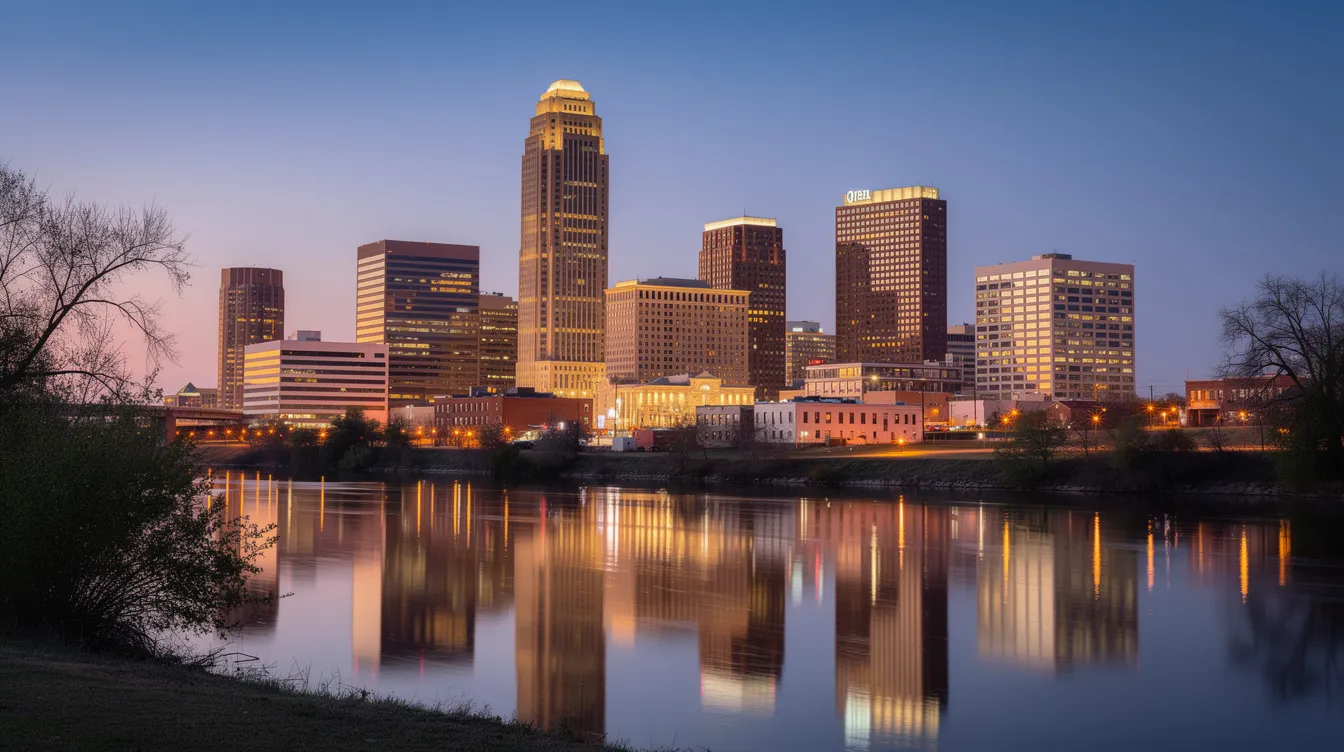
If you’re looking for signature attractions, Fort Worth delivers. The Stockyards National Historic District is where visitors and residents alike can watch a twice daily cattle drive and experience the world’s largest honky tonk at Billy Bob’s Texas. Sundance Square offers a walkable downtown with dining, shopping, and live entertainment. The Cultural District is home to world class museums like the Modern Art Museum of Fort Worth, the Kimbell Art Museum, and the Amon Carter Museum of American Art. Add in the Fort Worth Zoo, the Botanic Garden, and parks along the Trinity River, and you start to see why this city appeals to so many different people.
This article is written from my perspective as a local Realtor focused on helping buyers and sellers understand what life in Fort Worth can be like. My goal is to give you a grounded, honest picture—no hype, no pressure—just the kind of information that helps you make decisions with confidence.
Fort Worth offers a wide mix of neighborhoods, and that variety is one of the city’s strengths within the broader Dallas–Fort Worth area. Whether you’re drawn to historic charm, walkable entertainment, or newer construction with modern amenities, there’s likely a part of the city that fits your preferences.
Downtown and Sundance Square anchor the urban core. This area is highly walkable, with restaurants, bars, theaters, and public gathering spaces. If you want to be in the center of the action—close to nightlife, office buildings, and cultural events—this district delivers that energy.
Near Southside sits just south of downtown and includes major medical centers like Baylor All Saints, Cook Children’s, and Texas Health Harris Methodist. The neighborhood has a growing arts scene, local cafés, mural-lined streets, and evolving residential options. It’s urban and increasingly mixed-use.
West 7th and the Cultural District connect downtown to some of Fort Worth’s most celebrated institutions. West 7th features boutique retail, mid-rise housing, and a lively restaurant and nightlife scene. Nearby, the Cultural District offers green spaces, museums, and classic architecture. Neighborhoods like Arlington Heights and Monticello provide older single-family homes with tree-lined streets, close to all these amenities but with a quieter, more residential feel.
The TCU and University area surrounds Texas Christian University and tends to offer a more established atmosphere—mature trees, older homes, and proximity to both campus life and parks.
Alliance and Far North Fort Worth represent the newer side of the city. AllianceTexas is a large master-planned development with industrial, logistics, and aviation connections, plus newer residential subdivisions. Homes here are often newer construction, and the area continues to expand with infrastructure and employment opportunities.
Commute patterns matter, too. Major corridors like I-30, I-35W, Loop 820, and the Chisholm Trail Parkway influence which neighborhoods work best depending on where you work. If you’re commuting across Tarrant County or into Dallas, access to these routes can make a real difference in your daily life, just as broader DFW real estate market guides can help frame how location and commute affect your options.
When we work together, I help buyers narrow down neighborhood options based on budget, lifestyle preferences, and commute needs. There’s no one-size-fits-all answer, but with local knowledge and a clear picture of what matters to you, we can explore your options in a thoughtful way.
Fort Worth has earned its reputation as the “City of Cowboys and Culture.” That’s not just a slogan—it reflects a genuine blend of Western heritage with a growing arts, music, and food scene that keeps residents and visitors coming back.
The Stockyards is where Fort Worth’s Western history comes alive. You can watch the Fort Worth Herd’s twice daily cattle drive at 11:30 a.m. and 4:00 p.m., stroll through historic exchange buildings, and shop for boots and western wear. On Friday and Saturday night, Cowtown Coliseum hosts rodeo events where you can watch riders compete in classic events. And then there’s Billy Bob’s Texas—billed as the world’s largest honky tonk—where live music and dancing keep the floors busy.

Fort Worth’s Cultural District is home to world class museums that draw art lovers from around the country and complement the wider DFW cultural attractions. The Modern Art Museum of Fort Worth, designed by architect Tadao Ando, houses over 3,000 works of international modern and contemporary art. The Kimbell Art Museum is renowned for both its collection and its architecture. The Amon Carter Museum of American Art showcases 19th- and 20th-century American art, including significant Western works. And the National Cowgirl Museum and Hall of Fame honors women who have shaped the West, offering exhibits that celebrate their fame and contributions.
Downtown Fort Worth centers around Sundance Square, a 35-block entertainment district with shopping, restaurants, live theaters, and public art. The central plaza features large umbrellas, water features, and frequent events. Whether you’re meeting friends for dinner, catching a show, or just taking a walk on a Saturday night, downtown offers a lively, walkable experience.
Fort Worth’s calendar stays full. The Fort Worth Food + Wine Festival typically takes place in March and showcases local dining and culinary talent. Art Break at The Modern often runs during spring break, offering programs for all ages. If you’re looking for something more intimate, open mic nights like “Rising Voices” on the 1st and 3rd Sundays give local artists a chance to play and share their work. Whiskey + Laughs Wednesdays and community events at Café Modern add to the mix.
The Fort Worth Zoo is widely praised for its exhibits and educational programs. The Fort Worth Botanic Garden offers green space and seasonal events. Downtown, the Fort Worth Water Gardens provide a unique public art experience with terraced pools and fountains. Trails along the Trinity River connect parks and neighborhoods, giving residents space to walk, run, and explore outdoors.
Fort Worth offers a range of public, charter, and private school options across the city. If you’re considering a move and schools are a factor, I encourage you to review official school district data, the Texas Education Agency, and independent resources when evaluating your options. I don’t give school “ratings” or advice about specific campuses—those decisions are best made with the most current and relevant information from trusted sources.
Higher education has a strong presence in Fort Worth. Texas Christian University, founded in 1873, is a private university known for its undergraduate and graduate programs, research, and athletics. Texas Wesleyan University, established in 1890, offers a smaller campus experience with programs in education, business, and the arts. Tarrant County College provides associate degrees, certifications, and continuing education across multiple campuses. The University of North Texas Health Science Center contributes to health-science education and public health initiatives.
Local institutions often contribute beyond the classroom. For example, TCU research has been presented at national conferences—such as hormone health panels in Washington, DC—illustrating the city’s academic reach and connection to broader conversations in science and policy.
For adult learners, Fort Worth offers continuing education, arts classes, and instruction in dance and music. Long-standing institutions like local ballet schools have served the community since the mid-20th century, providing learning opportunities for residents of every age.
Fort Worth plays a significant role as an economic hub within the larger DFW region. Major industries here include logistics, aviation, healthcare, education, finance, and professional services. The city’s strategic location—with access to highways, rail, and air cargo—makes it attractive for businesses that move goods and serve customers across the country, and this economic strength underpins current Fort Worth housing market trends.
One of the most visible examples of this growth is AllianceTexas, a master-planned development covering roughly 27,000 acres in far north Fort Worth. It hosts around 590 companies and supports over 66,000 direct jobs. Corporate and financial services offices, including Mercedes-Benz Financial Services, have established or expanded their presence here, contributing to the dynamics you’ll see in Fort Worth real estate market overviews.
Many Fort Worth residents work not only within the city but across Tarrant County, Dallas, and beyond. Freeway and rail access—including I-30, I-35W, and commuter rail options—can be important quality-of-life factors depending on where you work.
Fort Worth’s cost of living may differ from nearby cities in the metroplex. Rather than give specific cost comparisons or forecasts, I encourage you to review current data from reputable public sources when making decisions about where to live. A financial advisor can help you understand how housing costs fit into your broader financial picture.
Everyday life here includes access to local parks and trails, farmers markets, and a growing restaurant scene. Community events like Project 4031’s Lanterns on the Trail bring neighbors together. The annual Fort Worth Food + Wine Festival showcases local dining, and the city’s arts and culture calendar offers something for nearly every interest.
Market conditions and employment trends can change, so I always encourage clients to speak with a licensed real estate professional and, when appropriate, a financial advisor before making major housing decisions.
This section covers general real estate themes in Fort Worth. It’s not legal, tax, or financial advice—just a friendly overview to help you understand what the local market can look like.
Fort Worth neighborhoods offer a mix of historic homes, mid-century properties, new construction, townhomes, and urban condos. Availability and pricing change over time, so what’s on the market today may look different in a few months, especially in high-demand areas like West Fort Worth homes for sale.
Factors that often matter to local buyers include:
If you’re preparing to buy in the Fort Worth area, a few steps can help you get ready, including reviewing up-to-date Fort Worth property listings:
I always suggest that buyers talk with a qualified lender or real estate attorney for specific advice about their purchase. Every transaction is different, and having the right professionals in your corner makes the process smoother.
When I work with sellers, I typically start by reviewing recent comparable sales in the neighborhood and discussing current local conditions. From there, we create a tailored plan for pricing and presentation. I don’t guarantee time on market or sale price—no one can—but I do offer realistic guidance based on what I’m seeing in the market and share relevant pieces from my DFW real estate blog when they’re helpful.
If you’re considering buying or selling in Fort Worth, I’d welcome the chance to walk you through your options in a step-by-step, low-pressure way. Feel free to reach out anytime.
Fort Worth residents can stay connected through a range of local news outlets, arts organizations, and community groups. The city shares a media market with Dallas, but there are publications, magazines, and nonprofit newsrooms that cover Fort Worth-specific events, politics, arts, and dining.
Recent coverage topics show the range of what’s happening here:
Local event calendars promote everything from open mic nights like “Rising Voices” on the 1st and 3rd Sundays to food festivals, motorsport weekends like the Java House Grand Prix in nearby Arlington, and museum programs like Art Break at The Modern.
If you’re new to Fort Worth, I encourage you to follow city websites, park and recreation announcements, arts organizations, and neighborhood associations. These resources help you discover volunteer opportunities, local happenings, and ways to get involved in the community.
I keep an eye on local developments—new infrastructure, economic announcements, civic projects—so I can help clients consider how the broader community context might matter in their housing decisions. It’s part of understanding not just a house, but the place you’ll call home.
I’m Melissa Serna, a DFW-based Keller Williams Realtor, and I focus on serving buyers and sellers in Fort Worth and surrounding communities. My approach is relationship-focused and educational—I take time to explain each step of the process so you can make informed choices that feel right for you, and you can learn more about my background in my about Melissa Serna profile.
My local experience in Fort Worth includes helping clients evaluate different parts of the city, understand typical contract timelines, and coordinate with lenders, inspectors, and title companies. Whether you’re buying your first home, selling a property you’ve lived in for years, or exploring investment options, I’m here to offer grounded, realistic guidance based on current local market information, similar to what you’ll find on my main Dallas Fort Worth Realtor page.
I don’t make guarantees about prices, timelines, or investment results. What I can offer is honest conversation, local knowledge, and a step-by-step process that keeps you informed and in control.
If you have questions about specific neighborhoods, upcoming moves, or how to get ready to buy or sell, I’d love to hear from you. You can reach me directly through my Dallas Fort Worth real estate services site or by using the contact Melissa Serna page. Think of it as a no-pressure conversation—just two people talking about what matters to you and how I can help.
This article is for informational purposes only and is not intended to provide legal, tax, or financial advice. Real estate laws and market conditions vary. Always consult with a licensed real estate professional or appropriate advisor regarding your specific situation.



.png)