

Looking for housing in Fort Worth, TX can feel a lot easier when you know where to start. Fort Worth is growing quickly, but it still offers a wide range of options-from apartments and condos near the urban core to older single-family homes, income-restricted communities, and newer suburban developments.
This guide is designed to help renters, first-time buyers, low-income households, and people relocating for work explore the Fort Worth market with clearer expectations. We’ll cover typical rent and home prices, affordable housing programs, neighborhoods to research, search tips, and local resources that may help you move forward with more confidence.
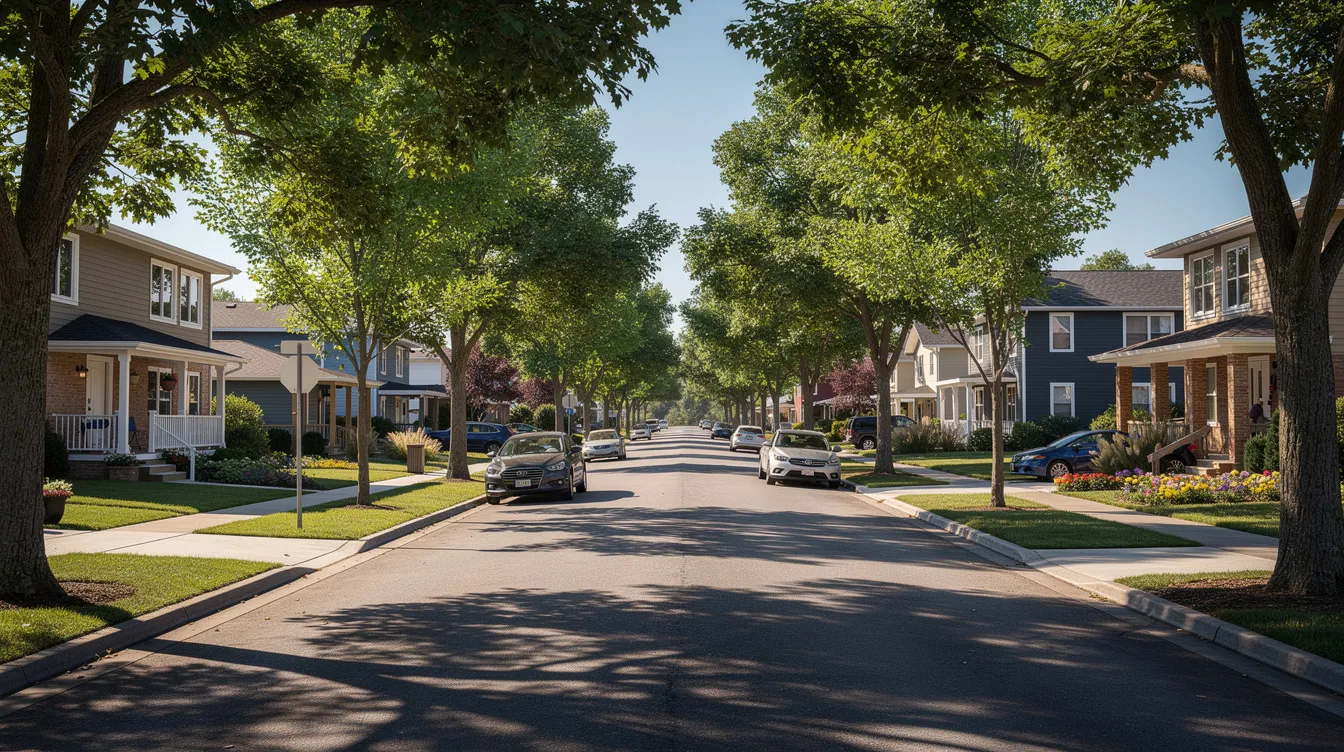
Fort Worth recently crossed the one-million-resident mark, and that growth continues to shape the local housing market. New construction has been active in areas such as Alliance, Far North Fort Worth, and along the Chisholm Trail corridor, but demand for lower-cost rentals and entry-level homes remains strong.
The Fort Worth housing market has shifted into a more buyer-friendly, balanced market. Fort Worth’s real estate market is currently a balanced buyer’s market, offering stable pricing and more negotiating room than in previous years. Homes in Fort Worth are selling in a median of 45 to 57 days, and nearly 62% of transactions in Fort Worth close under list price. The citywide median sale price in Fort Worth remains flat with a minor 0.052% drop year-over-year.
As of current market estimates, the city’s overall median home sale price sits at $339,000, which is roughly 23% lower than the national average. The Fort Worth housing market is generally a balanced-to-buyer’s market, offering relative affordability compared to the national average. For buyers comparing Fort Worth real estate market options with nearby cities, that relative affordability is one reason Fort Worth remains attractive.
Renters should expect wide variation. In Fort Worth, TX, rental properties can range in price from around $850 to over $2,000 per month depending on the size and features of the property. A typical one-bedroom apartment often falls near $1,100 to $1,700 per month in central areas, while the average rental price for a two-bedroom apartment in Fort Worth is approximately $1,300 per month, but prices can vary significantly based on location and property features. Small single-family rentals, especially on the east and south sides, often start around $1,800 to $2,200 per month.
Fort Worth features a highly diverse housing market that ranges from historic urban bungalows to sprawling suburban developments, and is part of a larger Dallas–Fort Worth area known for its varied communities and economic opportunities. This guide will walk through neighborhoods, rental versus buying considerations, income-restricted options, and how to work with local housing authorities.
Housing costs in Fort Worth vary by neighborhood, property age, commute access, and amenities. A newer apartment with a pool, garage parking, and a fitness center will usually price differently than an older fourplex or a smaller home farther from downtown.
Here is a practical snapshot for 2025 and early 2026 planning:
For buyers, starter homes in many parts of Fort Worth often fall in the $250,000 to $350,000 range. These homes may be older, smaller, or need updates, but they can offer a path into homeownership for buyers who are prepared for maintenance and total monthly costs.
New construction in areas such as Alliance, Chisholm Trail, and Far Northwest Fort Worth often lists from the mid-$300,000s into the $450,000+ range, depending on builder, lot size, finishes, and location. The Realtor.com Fort Worth market overview has also shown recent median listing prices near the mid-$300,000s.
Fort Worth is often more affordable than Dallas, especially when comparing similar bedroom counts or starter-home price points. Arlington can be competitive with Fort Worth in some price ranges, but neighborhood-by-neighborhood comparisons matter. Fort Worth’s housing market conditions vary noticeably depending on specific district or neighborhood profile, and recent analyses of the Fort Worth housing market in 2025 highlight how trends can differ across areas.
Property taxes and utilities also matter. Texas has no state income tax but features some of the highest property tax rates in the country. In Tarrant County, taxes can significantly affect a buyer’s total monthly payment, so it is important to look beyond principal and interest. Utilities are generally manageable, but summer electric bills can rise because of air conditioning needs.
Commuting costs should also be part of the budget. Extensive toll roads are common in the Metroplex to bypass traffic, impacting monthly commuting budgets. The DFW area is known for heavy traffic, particularly on major arteries like I-35 and around I-820 intersections.
Affordable housing generally means your housing cost-rent or mortgage, plus related costs-does not exceed about 30% of gross monthly income. That matters in Fort Worth because population growth, job growth, and rising costs can make it harder for lower- and moderate-income households to find stable housing.
Fort Worth offers various housing assistance programs, including Section 8 and income-restricted housing options. Income-restricted housing in Fort Worth is designed to provide affordable living options for individuals and families whose income falls below a certain threshold.
Common affordable housing options in Fort Worth, TX include:
Local examples of income-restricted or mixed-income communities include:
Eligibility is usually tied to Area Median Income, often called AMI. For reference, Tarrant County’s 2024 median family income was about $101,900, according to county housing planning documents. A household at 50% AMI will have a different income limit than a household at 80% AMI, and household size affects the calculation. You can review local income-limit context through the Tarrant County Community Development and Housing Department.
Some programs may also require documentation related to citizenship or eligible immigration status, Social Security numbers, income, and rental history. Requirements can change, so always confirm directly with the property manager or agency before applying.
Waitlists are common and can be long-sometimes several months to over a year. A practical approach is to apply to multiple affordable communities in Fort Worth and nearby cities, then keep a simple spreadsheet with each property’s name, application date, contact person, and waitlist status. Before sharing documents online, confirm you are on the official property or agency site and have permission from any adult household member whose documents you submit.
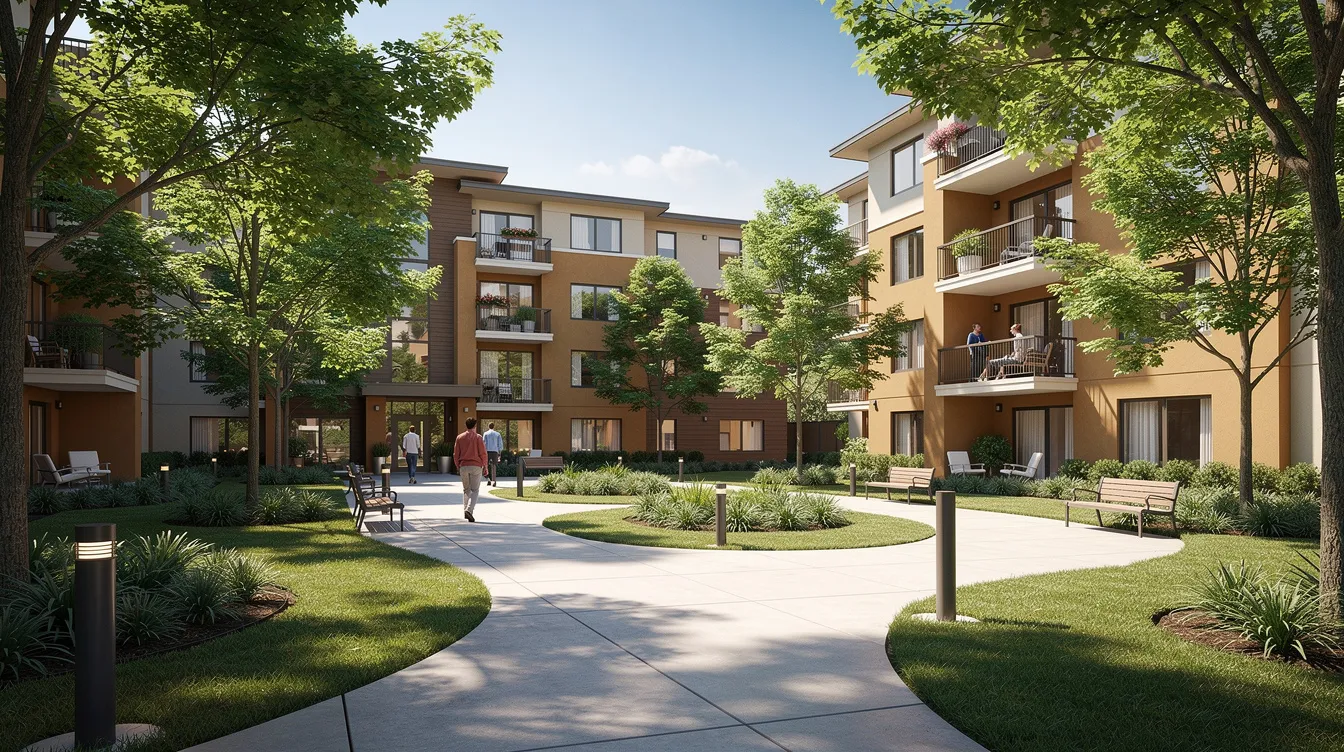
The fastest searches usually combine broad listing sites with local housing portals and direct calls to properties. Instead of searching only “apartments in fort worth,” use filters and keywords that match your budget and program needs.
Try these steps:
For example, if you search “76112 2 bed Fort Worth TX Section 8 accepted,” you may find older apartment communities or small rental properties in East Fort Worth. Typical two-bedroom rents in this type of search may fall near the $1,300 range, though property condition, lease terms, utilities, and amenities can shift the final cost.
In 76119, searches may surface apartments, duplexes, and small homes in southeast Fort Worth. You may see more three-bedroom options than in some central neighborhoods, but commute time, transit access, and school zoning should all be checked carefully.
Useful filters include:
Some rental sites also allow accessibility filters, which can be important for renters who need specific physical access features. If a website is not working, try another browser or contact the property directly. Occasionally, a listing portal may show a http error, server timeout, or edgesuite loading message; that does not always mean the property has no availability.
For official affordable housing information, the Fort Worth Housing Solutions website is a helpful place to start. You can also use HUD-related tools and local portals as a reference when comparing program types.
Fort Worth neighborhoods vary widely in price, commute time, housing type, and overall feel. A historic bungalow near the urban core, a townhome in South Fort Worth, and a newer home in Far North Fort Worth can all sit in very different price ranges.
School quality in Fort Worth varies significantly depending on neighborhood zoning lines. If school assignments matter to your household, verify zoning directly with the school district instead of relying only on a listing description. This may be especially important for households comparing programs, commute needs, and school logistics for children or kids.
Areas to research for relatively affordable housing include:
More expensive areas include downtown Fort Worth, West 7th, Near Southside, and TCU-Westcliff. The TCU-Westcliff area is highly sought after due to its proximity to Texas Christian University, with homes generally commanding a premium. Properties in the Fairmount area have a median sale price in the upper $400,000s, reflecting its historic charm and walkability, and both Fairmount and nearby suburbs are often noted as strong Fort Worth real estate investment areas.
Higher-cost neighborhoods often have newer apartment buildings, restaurants, nightlife, walkability, and shorter drives to major employment or entertainment centers. Those features can add convenience, but they usually raise the monthly housing cost.
Safety research should be handled carefully and personally. Rather than labeling any area as “good” or “bad,” review recent crime data, visit at different times of day, check lighting and parking, and talk with property managers about building policies. Also test your actual commute. Access to I-30, I-35W, I-20, and Loop 820 can make a lower-cost neighborhood more practical, but traffic patterns can change the experience quickly.

Fort Worth has a broad rental mix. You’ll find large apartment complexes, smaller fourplexes, duplexes, townhomes, condos, and many single-family rentals in older subdivisions.
Here is what renters can often expect by price tier:
Apartments may offer pools, fitness centers, clubhouses, package rooms, and gated entries. Those features can be convenient, but they may also come with amenity fees, parking fees, trash fees, or higher base rent.
Single-family homes may offer more interior space, private outdoor areas, and extra storage. They may also require the tenant to handle lawn care, more utilities, pest control, or specific maintenance responsibilities depending on the lease.
Common Fort Worth lease terms include:
Well-priced listings can move quickly. Before touring, prepare a renter packet with photo ID, recent pay stubs, employer letter if available, rental references, and any voucher or assistance paperwork. That way, if you find a home that fits your needs and budget, you can apply without losing time.
Housing authorities help manage public housing, vouchers, and certain affordable housing programs. In the Fort Worth region, these agencies can be an important resource, but the process requires patience and careful follow-up.
The primary agency for many city residents is Fort Worth Housing Solutions. Neighboring city housing authorities may also serve nearby areas, and Tarrant County programs may apply depending on location and funding. The Tarrant County Housing Assistance Office administers the Section 8 Housing Choice Voucher program, which helps low-income families afford housing in the private market.
General steps for applying for Housing Choice Vouchers, also called Section 8:
General steps for public housing:
General steps for project-based voucher communities:
Waitlists often open and close on specific dates. Sign up for email alerts, check official websites regularly, and avoid relying only on social media posts. Fort Worth Housing Solutions has reported large program portfolios, including conventional public housing units, Housing Choice Voucher households, project-based rental assistance, and affordable housing units, which shows the scale of need and demand across the city.
Other assistance may include:
Gather essential documents before a waitlist opens:
Because program rules can be detailed, ask the agency directly if you are unsure. For legal, tax, or financial questions, speak with a qualified real estate attorney, lender, or tax professional.
Finding affordable housing in Fort Worth takes planning, but it is possible to make the process more organized.
Start with these steps:
If you are buying, remember that price is only one part of the decision. Taxes, insurance, HOA dues, repairs, commute, and future maintenance all affect affordability. A licensed real estate professional, such as Dallas–Fort Worth Realtor Melissa Serna, can help you compare neighborhoods and property types, while a lender can help estimate payments based on your specific financial profile.
Despite rising costs, fort worth tx still has a range of affordable housing choices for renters and buyers who are willing to research neighborhoods, compare programs, and act quickly when a good fit appears. Resources like a DFW real estate market blog can also offer ongoing insights into new listings, neighborhoods, and strategies. My goal is to help make the process simple and clear, so you can understand your options before making your next move.
If you are exploring housing fort worth tx options and want local guidance, consider reaching out to a knowledgeable DFW real estate professional—such as through the contact page for Realtor Melissa Serna—who can help you compare areas, understand current market conditions, and prepare for the next step.
This article is for informational purposes only and is not intended to provide legal, tax, or financial advice. Real estate laws and market conditions vary. Always consult with a licensed real estate professional or appropriate advisor regarding your specific situation.



.png)