

If you're thinking about buying a fort worth home, you're not alone. Fort Worth is one of the most popular relocation destinations in the U.S., and it consistently ranks among the fastest-growing large cities in the country. This guide walks you through what the market looks like right now, which neighborhoods deserve your attention, and how to move from browsing to closing with confidence.
Fort Worth is a city with a deep bench of housing options. At any given time, there are thousands of active listings across the metro - Zillow counted over 3,200 in late 2025, and inventory has continued to grow into 2026. Whether you're interested in a craftsman bungalow near downtown, a new-construction home in the Alliance corridor, or a small acreage property on the outskirts, Fort Worth has a variety of homes for sale to match almost any lifestyle.
What makes speed matter here? Fort Worth real estate listings are updated daily from the MLS, and in many cases, the professional systems that agents use refresh every 10–15 minutes. That means the homes for sale you see on a well-connected search tool are close to real-time. In neighborhoods where demand is strong, well-priced properties can go under contract within days. Waiting even a few hours to act on a listing you like can mean missing your chance.
In this guide, you'll find current pricing data, neighborhood profiles, step-by-step buying advice, and practical tips for comparing properties. Think of it as your go-to information source as you navigate the fort worth tx real estate market.
Fort Worth is often called "Cowtown" for its cattle ranching roots, but the city has grown far beyond its Western heritage. Today, it's a major North Texas metro with a population that crossed the 1 million mark in 2025, making it the 10th largest city in the United States. Population growth over the past five years has been roughly 11.9%, and the city continues to attract new residents at a pace few metros can match.
Here's a quick snapshot:
Category
Details
Population (2026 est.)
~1,049,000
Metro area
Dallas-Fort Worth (DFW)
Distance to Dallas
~30–40 minutes by car
DFW International Airport
~40–50 minutes
Key industries
Aerospace, healthcare, logistics, energy, tech
Major employers
American Airlines, Lockheed Martin, and many others
Fort Worth's economy spans industries from aerospace to healthcare, and the city is a hotspot for startups and established enterprises alike. The local economy provides ample job opportunities for residents, which fuels long-term housing demand.
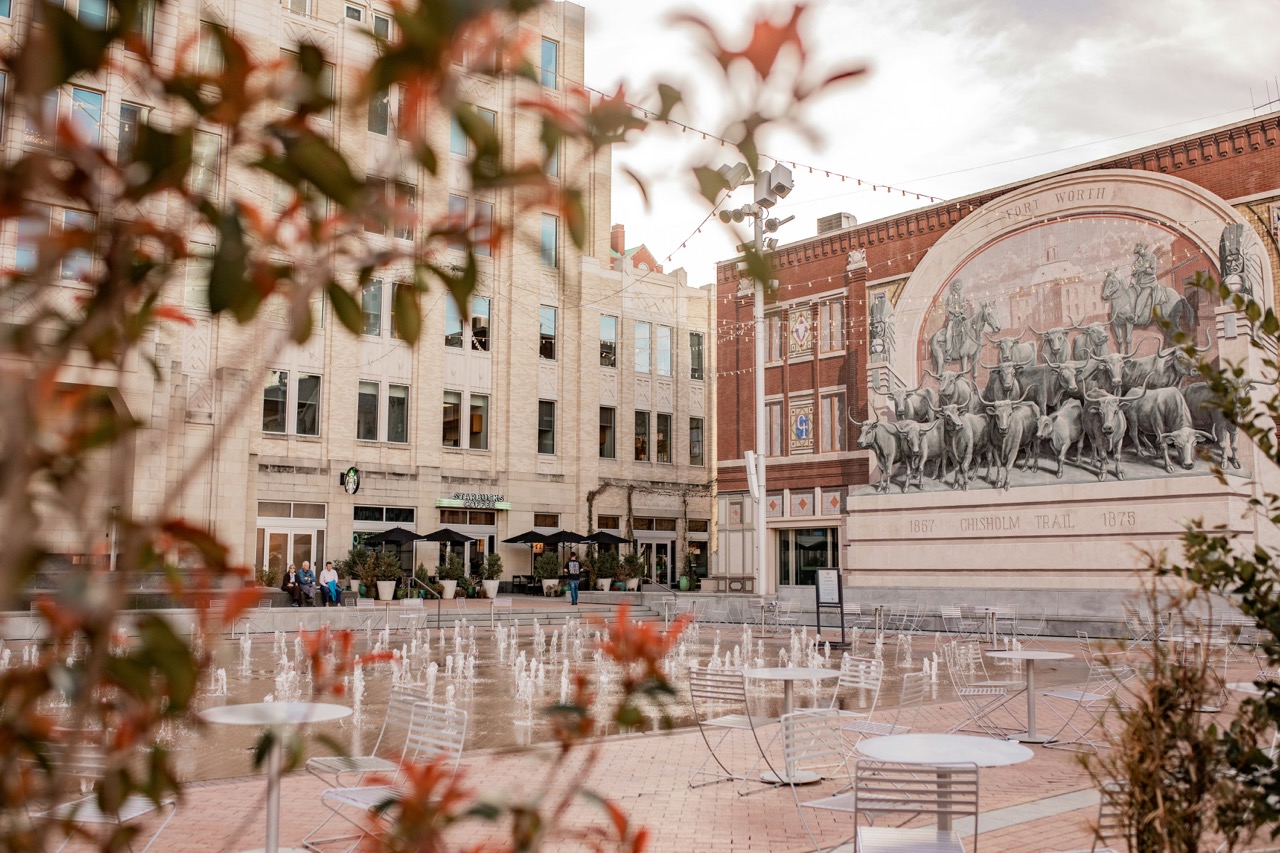
Fort Worth's lifestyle is a genuine blend of heritage and modern culture. The Fort Worth Stockyards showcase the city's livestock heritage with twice-daily cattle drives, and the National Cowgirl Museum honors women's contributions to the West. The Cultural District houses the Kimbell Art Museum, which features an impressive collection of artworks, alongside the Modern Art Museum and the Amon Carter Museum.
Beyond museums, you'll find Sundance Square's dining and entertainment downtown, the Fort Worth Botanic Garden, and miles of trails along the Trinity River. Compared with many U.S. metros - especially coastal cities - Fort Worth offers relatively affordable housing, strong schools in select districts, and year-round outdoor activities thanks to a mild climate.
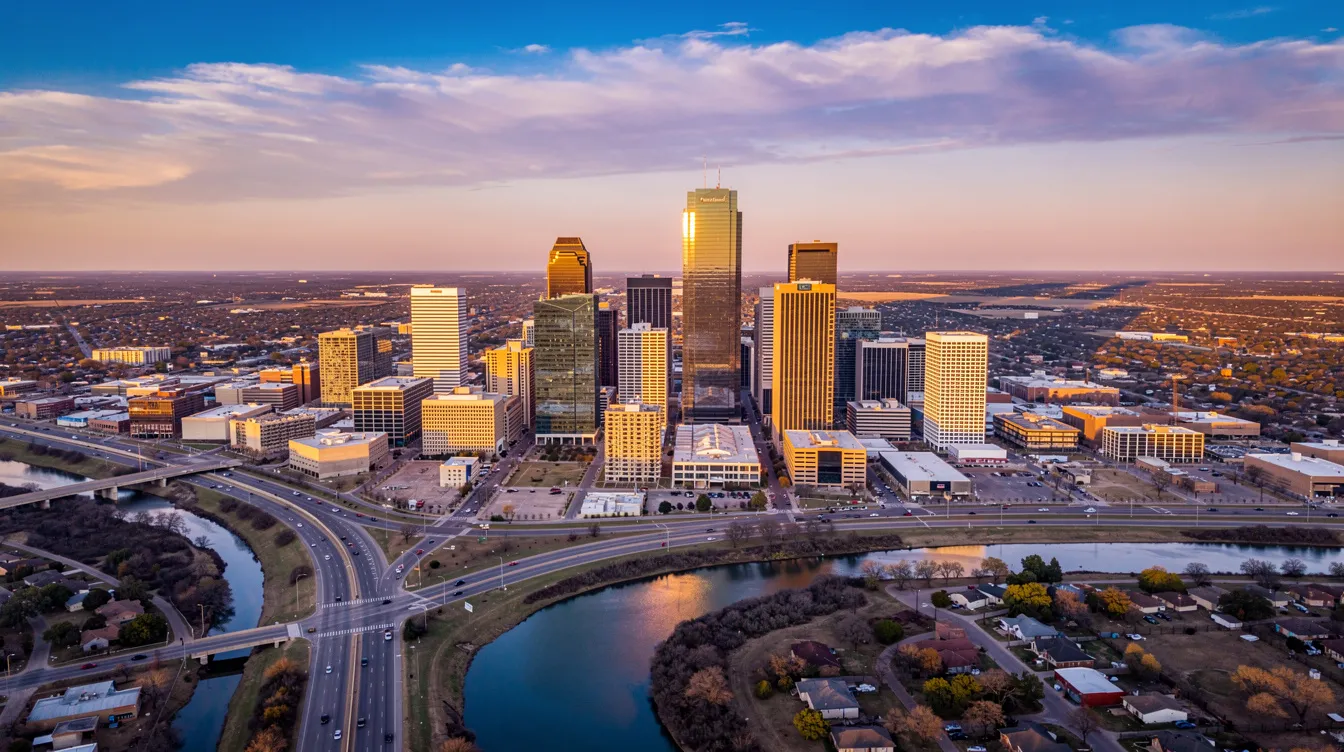
The Fort Worth, Texas housing market is stabilizing as of mid-2026. After years of rapid price increases, the pace has leveled off. The median list price in Fort Worth is around $343,000, and median sale prices have held roughly flat year-over-year. Fort Worth's median sale price is approximately 24% lower than the national average, which is a significant draw for buyers coming from higher-cost markets.
The Fort Worth housing market is somewhat competitive, but conditions have shifted toward more balance:
Fort Worth offers a wide range of property types. Here's a general breakdown:
Price Range
What You Can Typically Find
Under $300K
Starter homes in Wedgwood, Far Southwest, older ranch-style homes, some condos
$300K–$700K
Mid-range homes in North Fort Worth, Alliance, Cultural District area, updated brick ranches, newer construction
$700K+
Luxury estates in Rivercrest, Crestline, Mira Vista; custom builds; large-lot properties
The mix includes single-family detached homes (the majority), condos and townhomes near downtown and walkable districts, and occasional small acreage or horse properties on the outskirts. New-construction communities in North Fort Worth tend to offer more square footage per dollar, while older inner-city neighborhoods trade size for character and location.
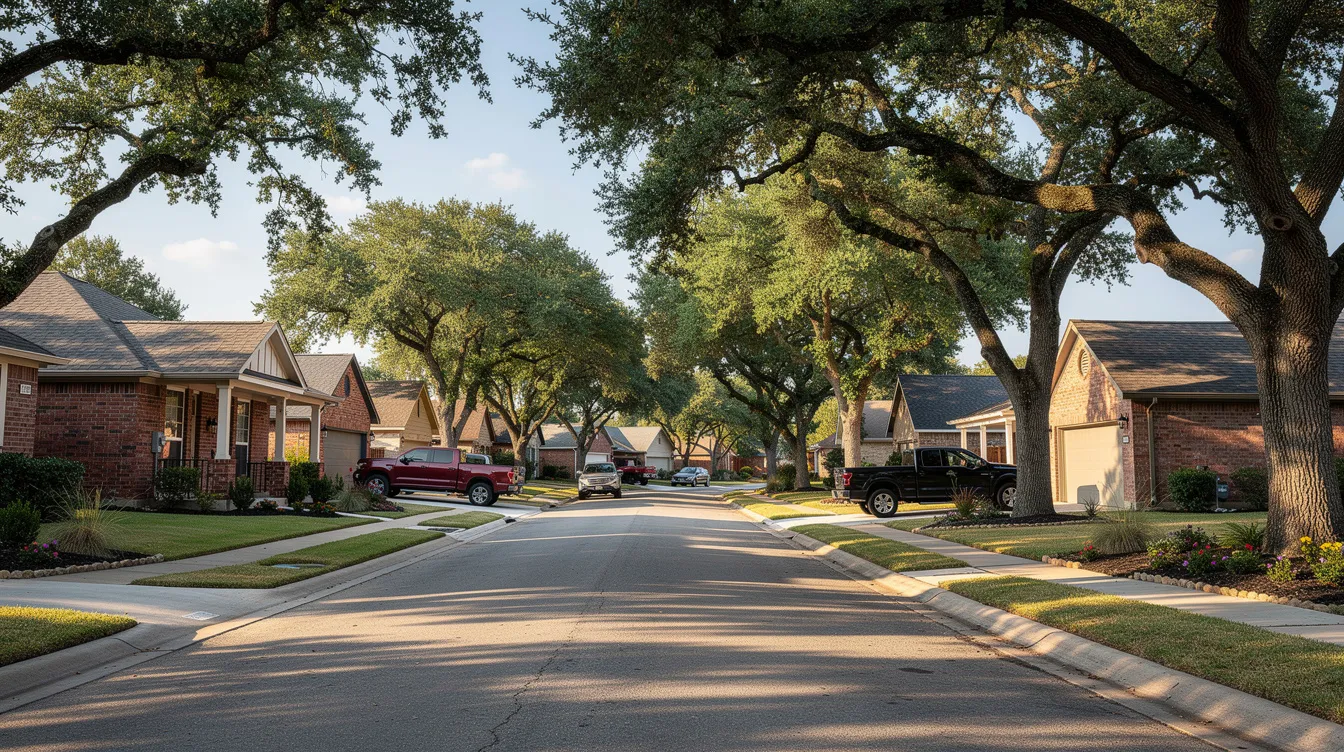
Fort Worth is made up of distinct districts, and neighborhoods in Fort Worth offer a mix of urban, suburban, and rural options. The neighborhood you choose will shape your daily experience - from commute time to the restaurants within walking distance, and understanding the broader Fort Worth real estate market can help you narrow that choice. Here are several areas worth knowing:
Historic estates, large lots, mature tree canopy, and strict neighborhood association standards. Rivercrest proper typically starts above $1 million. Monticello offers a somewhat lower entry point ($500K–$800K) while retaining architectural character. Inventory is tight here, and buyers tend to be executives or those looking for a move-up home with lasting value.
Near Southside is recognized for its eclectic vibe and local breweries, with walkable streets, galleries, and a creative energy that's hard to replicate. Home styles lean toward craftsman and bungalow, with median prices around $496,000. Days on market can be higher here (~116 days), reflecting some price sensitivity.
Fairmount is a nationally registered historic district in Fort Worth, sitting adjacent to Near Southside. Expect prices in the $350K–$480K range and similar architectural charm.
This is the fastest-growing corridor. Master-planned communities, newer construction, and larger lot sizes define the area, with many buyers starting their search by touring Fort Worth model homes to compare layouts and finishes. Median list price is around $415,000, with price per square foot near $179. Commute times to downtown run about 30–34 minutes in normal traffic. If you prioritize newer systems and more space over walkability, this area deserves a close look.
TCU-Westcliff is popular for its safety and educational proximity to Texas Christian University. Mid-century homes with solid architectural character, mature trees, and good access to dining and parks. As of early 2026, median price was approximately $678,750 - up over 10% year-over-year, making it a strong mid-luxury option.
A more accessible entry point in southwest Fort Worth. Homes here were largely built in the 1950s–1970s, mostly ranch-style. Prices range from roughly $260,000 to $330,000. Many homes will need some updates, but the lower competition gives buyers more negotiating room.
Arlington Heights is known for its walkability and proximity to parks, sitting near the Cultural District with tree-lined streets and craftsman-style homes. Median values hover around $279,000 in parts of the neighborhood, though upper-end homes go higher.
When narrowing your search, consider commute time, school district, and the amenities that matter most to you - whether that's historic charm, new construction, or proximity to outdoor recreation, especially if you're focused on homes in West Fort Worth where many of these features converge.
Using an MLS-connected search tool is the single most important step for accuracy. Aggregated sites and third-party platforms can lag behind, sometimes by hours or days, and in a market where desirable listings move quickly, staying aligned with current Fort Worth market conditions makes that delay matter even more.
Start with the basics:
Then toggle advanced filters to refine further:
Interactive map searches are available for Fort Worth properties on most MLS-powered platforms. You can zoom into specific blocks, check proximity to highways or parks, and get a feel for how a home sits within its surroundings.
Users can register for email notifications on new listings that match their criteria. Setting up saved searches means you won't have to manually check every day - you'll get an alert as soon as something new hits the market. Some platforms even use automated bot notifications via text or app alerts for the fastest response time.
When a listing catches your eye, review photos, 3D tours, and the map view. If the home jump left on your priority list after a closer look, move quickly and schedule an in-person showing, and use resources like local DFW real estate blogs to stay on top of evolving trends. Don't let a strong match sit while you deliberate - especially in neighborhoods where homes move fast.
The fort worth home buying process follows several clear stages. Here's what to expect from start to finish.
Before you start viewing properties, work with a local lender to get a pre-approval letter. This tells you what you can realistically afford and shows sellers you're a serious buyer. Pre-approval also helps you avoid falling in love with a home that's outside your budget.
Write down your non-negotiables: number of bedrooms, school district, maximum commute time, lot size, and any deal-breakers. Then identify your "nice-to-haves" that you'd be willing to compromise on.
Once you find a property that matches most of your criteria, your agent will help you structure an offer. In Texas, the process includes:
After your offer is accepted, schedule a home inspection promptly. Your lender will order an appraisal to confirm the home's value supports the loan amount.
Typical closing timelines for fort worth tx transactions run 30–45 days after the contract is executed, depending on financing and title work. At closing, you'll sign final documents, transfer funds, and receive your keys.
Working with an agent who understands neighborhood-level pricing, multiple-offer dynamics, and local contract nuances in the broader Dallas–Fort Worth area can make a real difference in how smoothly this process goes.
Once you've closed on a home, day-to-day life in Fort Worth offers a lot to enjoy. Here's what residents typically experience.
Fort Worth ISD serves many core neighborhoods, but many buyers also look at homes within the boundaries of nearby highly rated districts:
Private and charter school options have increased across the metro as well. If schools are a priority, filter your search by district boundaries early in the process.
Major routes through the city include I-35W (north-south), I-30 and I-20 (east-west), and the Chisholm Trail Parkway. Typical drive times vary by neighborhood:
Destination
From Central Fort Worth
From North Fort Worth
Downtown Fort Worth
5–15 min
25–35 min
Dallas (downtown)
40–55 min
45–60 min
DFW Airport
30–45 min
20–35 min
As the metroplex continues to grow, traffic on major arteries can be unpredictable during peak hours.
This is where Fort Worth really shines for homeowners:
Fort Worth hosts the Fort Worth Symphony Orchestra year-round, along with cultural festivals, the Fort Worth Stock Show & Rodeo, and a thriving live music scene. Dining districts like Near Southside and West 7th offer walkable restaurant and entertainment options.
Everyday conveniences - grocery stores, major retail centers, and hospitals - are well distributed across most neighborhoods, though walkability varies. Inner neighborhoods tend to have more within reach on foot, while newer suburban areas may require a short drive.

Not all homes for sale in fort worth tx are equal, even when they carry the same price tag. A $300,000 home in Near Southside may be a 1920s bungalow with original character but older systems, while a $300,000 home in Alliance may be a 2020-built property with modern insulation and warranties. Knowing what to compare - and what to protect yourself from - is essential.
Prospective homeowners should prioritize inspections for foundations and roofs. Fort Worth features shifting clay soils, which can cause foundation movement over time. Older homes in Fort Worth often require sewer scope inspections due to foundation issues that may have affected underground plumbing. Water damage is a primary cause of home damage in Texas, so look carefully at drainage, grading, and past moisture intrusion.
A good inspection checklist for each property should include:
The sale price is just one metric. Texas has no state income tax but relatively high property taxes, which can add significantly to your monthly housing cost. When comparing properties, account for:
For every home you tour, jot down the pros, cons, commute time, school ratings, neighborhood noise level, and future resale potential. It's easy to blur properties together after a full day of showings, and a simple spreadsheet or notes app can help you stay organized.
When deciding whether to pay more for location, schools, or renovation quality versus choosing a lower-priced home that needs updates, think about your timeline. If you plan to stay five or more years, paying a premium for a well-located home in good condition may serve you better long-term. If you have the skills and budget for renovations, a less expensive home in an appreciating neighborhood can offer strong upside, particularly if you're also thinking about real estate investing in Fort Worth over time.
You now have a solid foundation for navigating the fort worth real estate market. Whether you're relocating from out of state or moving across town, the key is to start with clear priorities and act on them.
Here's a quick recap of your next steps:
Fort Worth is a city with depth - from historic districts to brand-new communities, from lakefront properties to walkable urban enclaves. The right home is out there. The next step is yours.
If you're ready to explore current listings, use an online home search tool to browse what's available today, request more information on specific properties, or connect with a local expert who can walk you through your options.
This article is for informational purposes only and is not intended to provide legal, tax, or financial advice. Real estate laws and market conditions vary. Always consult with a licensed real estate professional or appropriate advisor regarding your specific situation.



.png)