

If you’ve spent any time exploring Fort Worth, you’ve probably noticed something special about certain streets—those tree-lined blocks with front porches, brick walkways, and homes that look like they have a story to tell. These are Fort Worth’s historic neighborhoods, and they’re some of my favorite places to help buyers and sellers find their next chapter.
When we talk about historic neighborhoods in Fort Worth, we’re usually referring to areas where most homes were built between roughly 1890 and 1950. These communities often have preservation overlays that protect their architectural character, active neighborhood associations, and a sense of identity that’s been developed over generations. Many are located close to downtown Fort Worth, the Trinity River, and major cultural attractions—making them appealing to many different types of buyers.
One thing to know upfront: if you’re considering buying in a historic area, preservation rules and overlays may affect remodeling and new construction. I always recommend consulting a licensed professional or the City of Fort Worth Department of Development Services for specific guidelines before you plan major changes.
This article is meant as a starting point for your exploration. If you’d like local, personalized guidance about any of these neighborhoods, feel free to reach out to me at Keller Williams—I’m always happy to help.
Just south of I-30, you’ll find some of Fort Worth’s most beloved historic neighborhoods. The Near Southside area is known for its walkable streets, homes from roughly 1890 to 1940, and an active historic preservation culture that residents take seriously, especially in sought-after South Fort Worth neighborhoods like Fairmount and Mistletoe Heights South Fort Worth homes and neighborhoods.
Fairmount is one of the largest historic districts in Fort Worth, and it’s a neighborhood I love showing to buyers who appreciate early 20th-century character. You’ll find rows of Craftsman bungalows, American Foursquares, and Victorian-era homes, many with original details like hardwood floors and built-in cabinetry. Each spring, the community hosts the Fairmount Tour of Historic Homes, which gives residents and visitors a chance to stroll through beautifully restored properties.
Ryan Place developed primarily in the 1920s and 1930s, and it shows in the architecture. Tree-lined streets, brick and stucco homes, and the landmark Elizabeth Boulevard—often photographed for its landscaped medians and stately residences—define this community. If you’re drawn to neighborhoods where front porches and sidewalks encourage connection, Ryan Place delivers.
Mistletoe Heights sits on a bluff overlooking the Trinity River, just west of the medical district. Homes here date mainly from the 1910s through the 1930s, with a mix of cozy cottages and larger residences. The elevated location offers some properties views that extend west across the city.
What to keep in mind: Many blocks in these neighborhoods fall within local or national historic districts, so exterior changes may be reviewed by preservation authorities. I encourage buyers to talk with a qualified real estate attorney or the city before major remodeling projects.
The community feel here is strong. Residents enjoy porch sitting, neighborhood events, holiday home tours, and active associations that organize gatherings and beautification projects throughout the year.
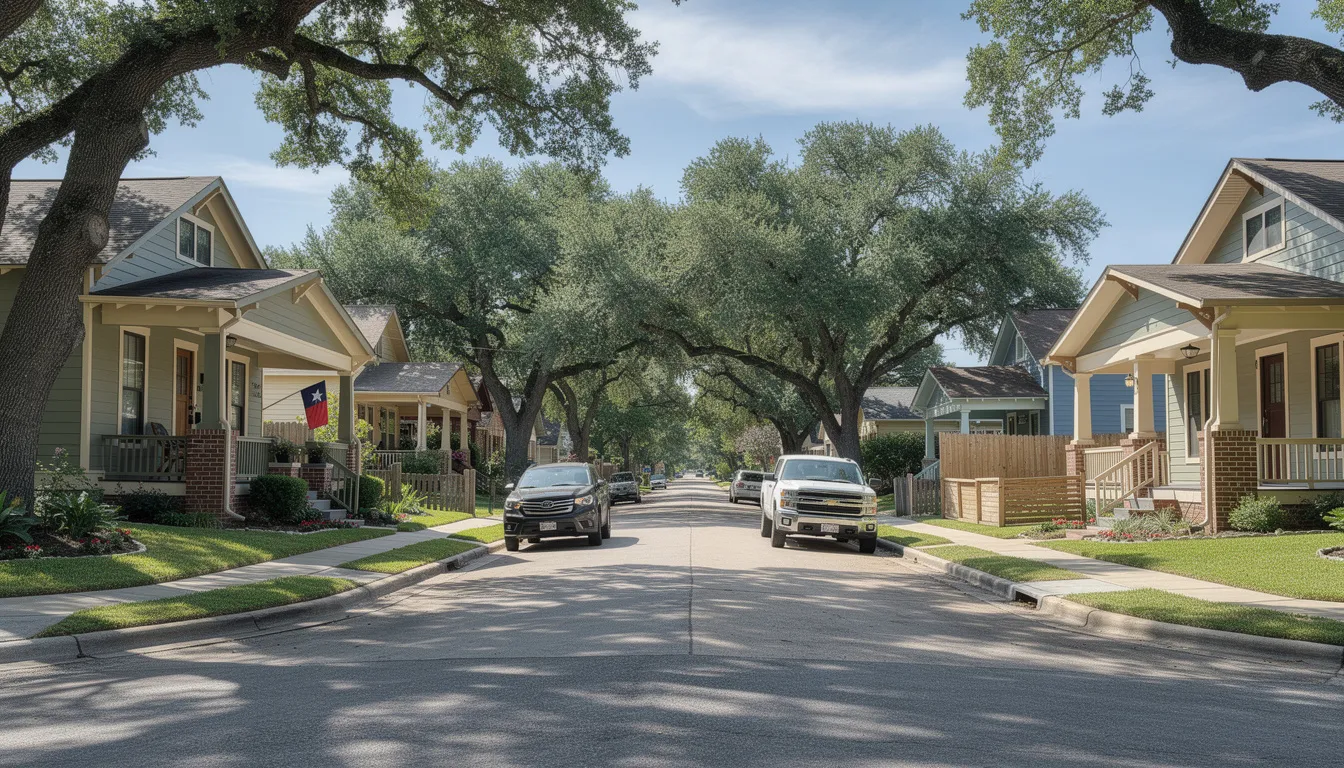
South of the Trinity River and near the Fort Worth Zoo, you’ll find Berkeley Place and University Place—two established neighborhoods that offer easy access to Forest Park and some of Fort Worth’s best outdoor amenities.
The general architectural style in these areas leans toward 1920s–1940s brick Tudor Revivals, traditional two-story homes, and well-kept cottages on curving, shaded streets. The Tudor architectural style is especially prominent in Berkeley Place, where you’ll see steep gables, decorative chimneys, and arched doorways, alongside classic Craftsman-style homes in Fort Worth in nearby historic districts.
Living near Forest Park means:
Berkeley Place has a strong identity around historic preservation and restoration. Many homes have been carefully updated while keeping original character—think hardwoods, built-in shelving, and period details. University Place has seen a mix of original homes and newer infill construction over the decades, so buyers may see both preserved historic homes and more modern builds on some streets.
If you love older homes but also want quick access to the Cultural District and medical centers, these neighborhoods deserve a spot on your list.
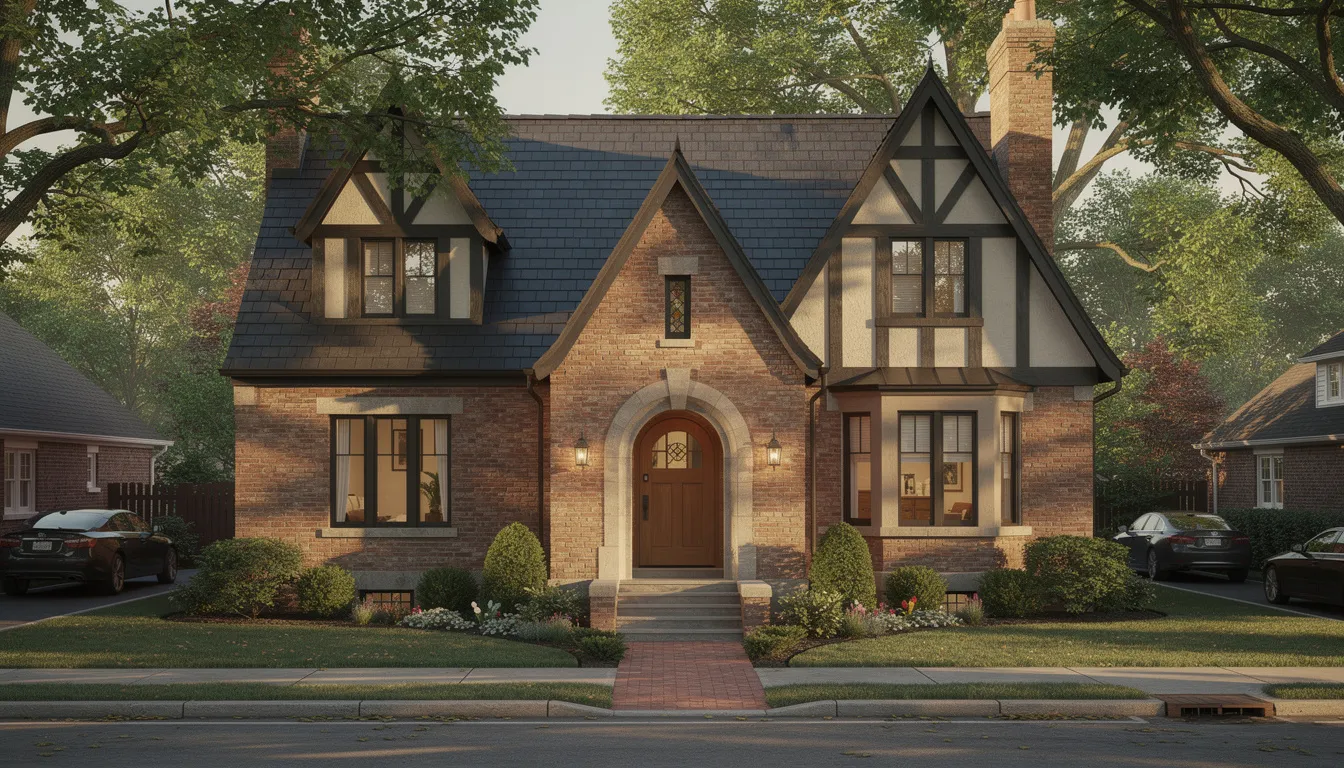
Arlington Heights has roots stretching back to the late 1800s, though the area grew rapidly in the 1920s and 1930s after the Camp Bowie military camp era brought development to the west side. Today, Arlington Heights stretches west of downtown toward Camp Bowie Boulevard, mixing historic cottages, 1930s bungalows, and later mid-century homes within one of the most desirable West Fort Worth housing markets.
Several nearby neighborhoods developed during the post–World War I and pre–World War II periods:
Neighborhood
Notable Features
Crestline (Rivercrest)
Established 1911, expanded 1917–1918 with oil wealth, surrounds Rivercrest Country Club
Ridglea Hills
Developed around 1920 golf course, approximately 1,300 homes today
Westover Hills
Fort Worth’s most prestigious historic neighborhood
Camp Bowie serves as a historic corridor with long-standing local businesses, restaurants, and shops that have served surrounding neighborhoods for decades. It’s a place where you can shop at local favorites, grab dinner, and stroll along a commercial street that still feels connected to the past.
Buyers here often look for older homes with potential to update while keeping original charm—think archways, built-in cabinets, and original tile. If you’re considering expanding or renovating in older districts, zoning and preservation considerations may come into play. It’s wise to consult with a contractor and a real estate professional familiar with the area before making plans.
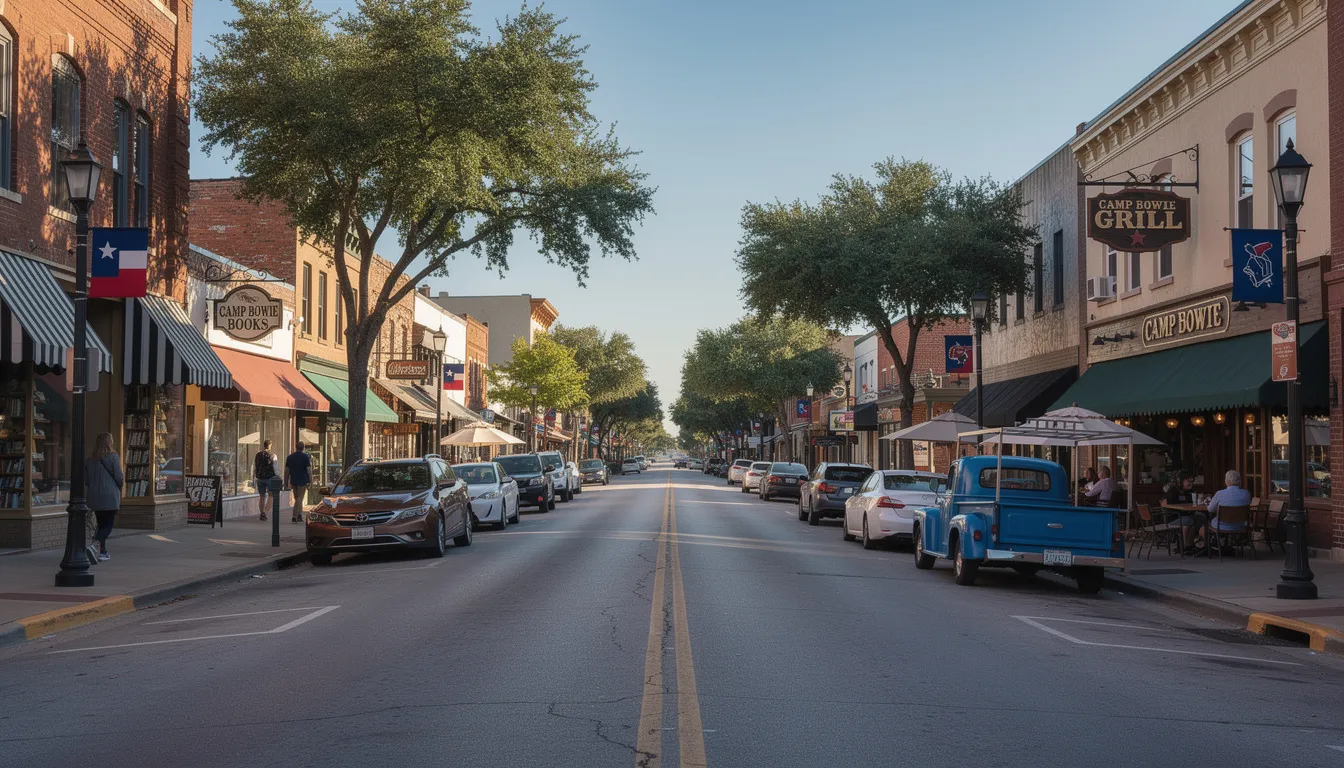
One of the biggest draws of historic Fort Worth neighborhoods is the variety of classic architectural styles, which fit into a broader Fort Worth real estate market overview that includes both older and newer homes. Here’s a quick guide to what you’ll find:
These homes were built for comfortable living, and their attention to detail shows in every room, which is one reason they often feature prominently in Fort Worth real estate investment opportunities.
Tudor homes often feel like they belong in a storybook, with their half-timbering and dramatic rooflines.
These homes appeal to buyers who love open floor plans and natural light, and some buyers also compare them with newer model homes in Fort Worth that echo mid-century design elements.
A note on newer construction: Some infill builds on older lots draw inspiration from these historic styles, so you may see Tudor or Mid-Century elements in recent years’ construction as well.
When considering which style fits your lifestyle, think about maintenance comfort, remodeling plans, and whether you’re prepared to work with specialized contractors for systems and structural updates in older homes.
Everyday life in historic Fort Worth neighborhoods has a rhythm that’s hard to replicate in newer developments, while the broader Dallas–Fort Worth lifestyle and amenities give residents access to major employment centers, culture, and entertainment. You’ll find walkable blocks, established trees that provide shade on summer afternoons, and a sense of continuity with the city’s past.
Living in these areas puts you close to:
Residents enjoy Trinity Park, Trinity Trails, Forest Park, and neighborhood pocket parks sprinkled throughout older districts. The Trinity River corridor offers miles of trails for walking, biking, and exploring.
Most historic neighborhoods are primarily residential, so you’ll travel a short distance to nearby corridors like Magnolia Avenue, Camp Bowie, University Drive, or West 7th for restaurants, shops, and services. Community life is active—neighborhood associations, porch parties, seasonal home tours, and block events help new residents feel connected quickly, while some buyers balance this charm with low-maintenance living in Fort Worth townhome communities.
My tip: Visit any neighborhood you’re considering at different times of day—morning, afternoon, and evening—to get a real sense of traffic, noise, and overall atmosphere before making a purchase decision.

School options can be an important factor for families, and zoning may change over time. I always recommend verifying current assignments directly with the school district or official resources.
Many historic neighborhoods in central Fort Worth are served by Fort Worth ISD. Some well-known campuses often associated with these areas include:
I encourage families to research public, private, and charter options, visit campuses when possible, and review the latest academic and extracurricular information from official school or district websites.
When buying a historic property, consider:
Consideration
What to Check
Plumbing & Electrical
Age of systems, potential updates needed
Foundation
Signs of settling, drainage issues
Historic Overlays
What modifications require approval
Property Taxes
Check the Tarrant Appraisal District for current valuations
Insurance
Older homes may have different coverage requirements
A thorough inspection by licensed inspectors is essential. Property taxes, insurance, and local historic overlay rules can affect your overall cost of ownership. I recommend speaking with a lender, insurance provider, or tax professional for personalized advice.
Over the years, I’ve had the fun of helping buyers and sellers in Fort Worth’s older neighborhoods, and I genuinely enjoy working in these areas. There’s something special about helping someone find a home with heritage—a place that’s already produced memories for past generations and is ready to create new ones, and my Fort Worth homebuying and Realtor services are built around that kind of long-term value.
Here’s how I approach it, drawing on resources from my DFW real estate blog:
If you’re curious about Ryan Place, Fairmount, Mistletoe Heights, Berkeley, Arlington Heights, or any other Fort Worth area with historic character, I’d love to have a no-pressure, educational conversation. Whether you’re exploring current listings or just beginning to explore, my goal is to help you move forward with confidence.
This article is for informational purposes only and is not intended to provide legal, tax, or financial advice. Real estate laws and market conditions vary. Always consult with a licensed real estate professional or appropriate advisor regarding your specific situation.



.png)