

If you’ve been exploring communities west of Fort Worth, chances are Weatherford has caught your attention. This Parker County city sits about 25 miles from downtown Fort Worth along Interstate 20, offering that small-town feel many people are searching for—without being too far from everything the DFW Metroplex has to offer.
I’m a DFW-based Keller Williams Realtor who helps buyers and sellers navigate the local market in and around Weatherford. Whether you’re curious about what daily life looks like here, want to learn the area’s history, or are actively searching for your next home, this guide is designed to give you a clearer picture of what Weatherford is all about.
Here are a few quick facts to get you oriented:
Weatherford serves as the county seat of Parker County, incorporated back in 1858. The estimated 2020 population reached around 30,854 residents, spread across roughly 22–23 square miles. You may have heard the city’s nicknames: the “Cutting Horse Capital of the World” and the “Peach Capital of Texas.” Both speak to the agricultural and western roots that still define this community today. The annual Parker County Peach Festival remains one of the most popular local events each summer.
Climate-wise, Weatherford experiences a humid subtropical pattern—think hot summers, mild winters, and plenty of sunshine year-round. That weather shapes how homes are designed here, with many properties featuring shade trees, covered patios, and outdoor living spaces that residents can enjoy for much of the year.

Weatherford sits about 20–30 minutes west of Fort Worth, depending on traffic and your exact starting point. If you’re headed toward Dallas, you’re typically looking at under an hour on a good day, though rush hour and construction can stretch that out. Interstate 20 and U.S. Highway 180 serve as the main corridors connecting Weatherford to the rest of the Metroplex.
What makes Weatherford distinctive is the variety you’ll find in its neighborhoods. Near downtown, you’ll discover historic homes with character and charm—some dating back over a century. On the edges of town, newer subdivisions offer more contemporary floor plans and community amenities. And if you venture into the surrounding Parker County countryside, you’ll find larger acreage properties, ranchettes, and land suited for horses or hobby farms.
For residents who work in Fort Worth, Arlington, or other employment centers in the region, commuting is part of daily life. A typical morning might mean leaving Weatherford around 7:00 or 7:30 AM and arriving at a Fort Worth office 30–45 minutes later. In the evenings, many people appreciate coming home to quieter streets and a slower pace. Nearby communities like Mineral Wells to the west, Hudson Oaks, and Aledo toward Fort Worth round out the regional picture.
If you’re considering Weatherford, it’s worth thinking honestly about how often you’ll need to commute into the Metroplex versus how much of your work, school, and daily errands can happen locally. That balance will shape your experience here.
Weatherford has a humid subtropical climate (Köppen Cfa), much like the rest of North Central Texas. That means you can expect hot summers, relatively mild winters, and transitional seasons that bring both comfortable days and occasional severe weather.
Here’s what each season typically looks like:
From my experience helping clients shop for homes, many buyers pay close attention to things like roof condition, guttering, and drainage. Heavy Texas downpours can reveal issues quickly, so understanding how a property handles weather is part of making an informed decision. Good insulation, energy-efficient windows, and mature shade trees are features that can make a real difference in comfort and utility costs.
Staying informed through local weather sources is always a good idea, especially during storm season. Severe weather awareness is simply part of life in North Texas.
Weatherford was incorporated in 1858 and named for state senator Thomas Jefferson Weatherford. From its earliest days, the city served as an important North Texas frontier and trade center, growing alongside the ranching and agricultural industries that defined the region.
As the county seat of Parker County, Weatherford became a hub for commerce, politics, and community life. By the late 1800s, rail connections transformed the town into a retail and shipping point, linking local ranchers and farmers to broader markets. Cowboys, cattle drives, and the rhythms of ranch life left a lasting imprint on the community’s character.
Visitors today can still experience pieces of that history. Victorian-era homes line several streets near the center of town, and the historic Parker County Courthouse stands as a landmark on the square. Downtown businesses, some operating for generations, carry on traditions of local commerce. Greenwood Cemetery, for example, serves as the resting place for figures connected to Texas cattle history, including Oliver Loving and trail partner Boze Ikard, whose story helped inspire Larry McMurtry’s novel Lonesome Dove.
Weatherford has grown significantly over the decades—from under 1,000 residents in the late 1800s to more than 30,000 by 2020. Yet even with that growth, the city has held onto its western identity. You’ll still see horse trailers on the roads, western wear shops in town, and events that celebrate the ranching heritage that shaped this place.
Weatherford offers a mix of historic sites, gardens, museums, western events, and outdoor recreation. Whether you’re already a resident or just getting to know the area, there’s plenty to discover.
This isn’t a complete list, but it highlights some of the most frequently mentioned attractions that many locals enjoy. Think of it as a starting point for planning a weekend or getting a feel for your potential new hometown.
Chandor Gardens is a historic estate and formal garden on the south side of Weatherford. Originally created by English portrait artist Douglas Chandor for his Weatherford-born wife in the mid-1900s, the property blends English-style landscaping with Chinese architecture influences.
You’ll find water features, fountains, stone pathways, and quiet garden “rooms” designed for reflection. Many locals visit for photography sessions, small weddings, peaceful afternoon walks, and community events. Spring and fall tend to be the best seasons, when flowers and greenery are at their peak.
If you’re planning a visit, check current hours and event schedules in advance. Private events may limit access, and the uneven paths call for comfortable shoes. For those moving to Weatherford, living within a short drive of Chandor Gardens means having a tranquil spot for regular walks or small celebrations right in your backyard.
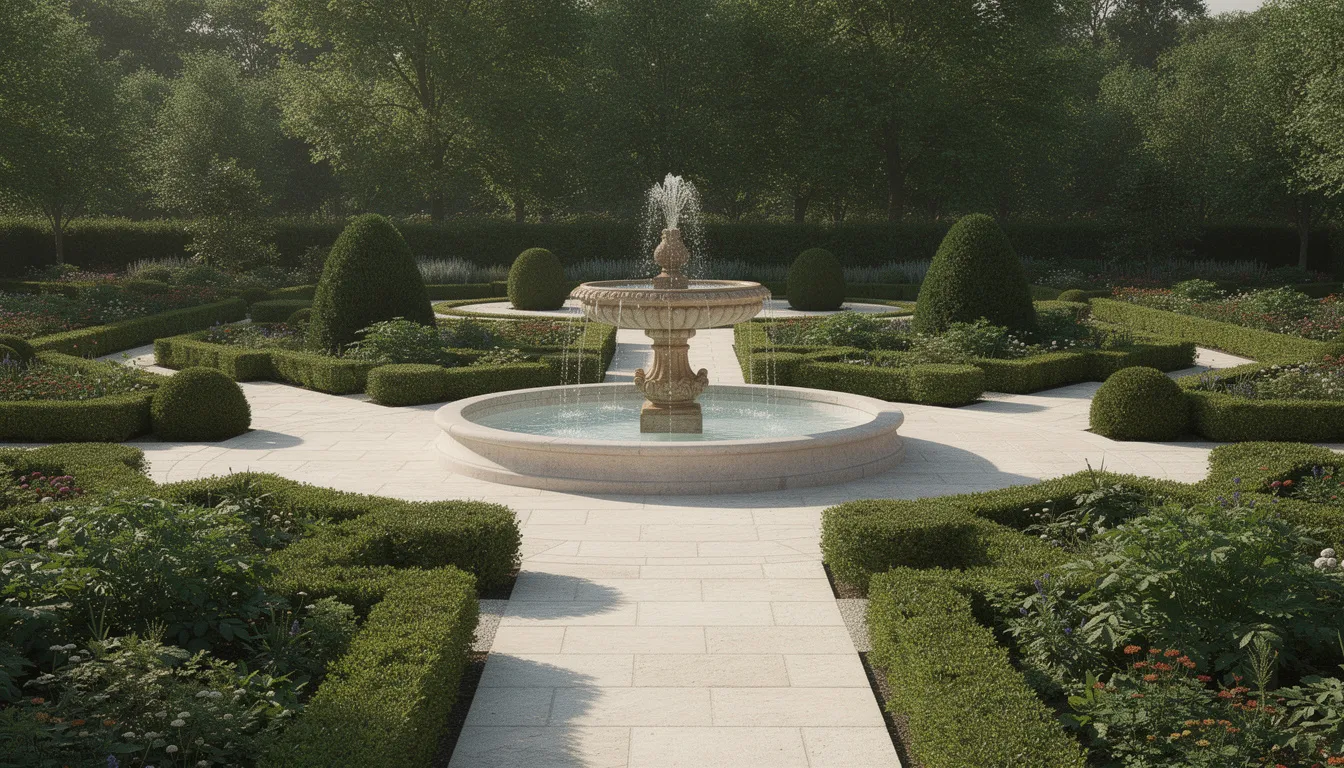
Clark Gardens is a privately developed botanical park located between Weatherford and Mineral Wells. The park emphasizes water-wise landscaping and plants that adapt well to North Texas conditions—a practical approach given the region’s climate.
Key features include formal flower beds, lakes and water features, more than 75 specially noted historic or commemorative trees, and an extensive model train layout running on over 1,000 feet of track through miniature towns. The gardens host weddings, seasonal festivals, and group tours throughout the year, and parts of the grounds are designed to be accessible to visitors with mobility considerations.
Spring bloom season, fall color, and holiday events are especially popular times to visit. Many Weatherford-area residents make annual trips and often bring out-of-town guests to Clark Gardens as a showcase of the region’s natural beauty.
Weatherford is called the “Cutting Horse Capital of the World” for good reason. The area has a high concentration of cutting horse trainers, breeders, and competition-level horses, supported by proximity to the National Cutting Horse Association’s influence.
If you’re unfamiliar, cutting horse events involve horses separating cattle from the herd and working them—a skill that requires both athleticism and instinct. Visitors can often watch shows and competitions on weekends at local arenas and facilities near the Brazos River corridor.
Western wear shops, tack stores, and related services have grown around this horse industry, giving parts of Weatherford a distinctly ranch-oriented commercial feel. People who own horses or aspire to may find Parker County attractive due to boarding, training, and acreage property options. If you’re curious about this lifestyle, I’d encourage you to attend a public cutting horse event to experience the culture and community firsthand before considering a horse property purchase.
The Doss Heritage and Culture Center is a museum and community space near downtown Weatherford dedicated to preserving Parker County history. Exhibits often feature stories of cowboys, cattle barons, early settlers, and notable residents, along with rotating displays highlighting local artists or specific historical themes.
Beyond static exhibits, the center hosts educational programs, concerts, and community meetings. It’s more than a museum—it’s a gathering place. New residents may find it an easy way to understand the area’s roots and connect with the people and stories that shaped modern Weatherford. Check the center’s calendar for special events and programming that might interest your family.
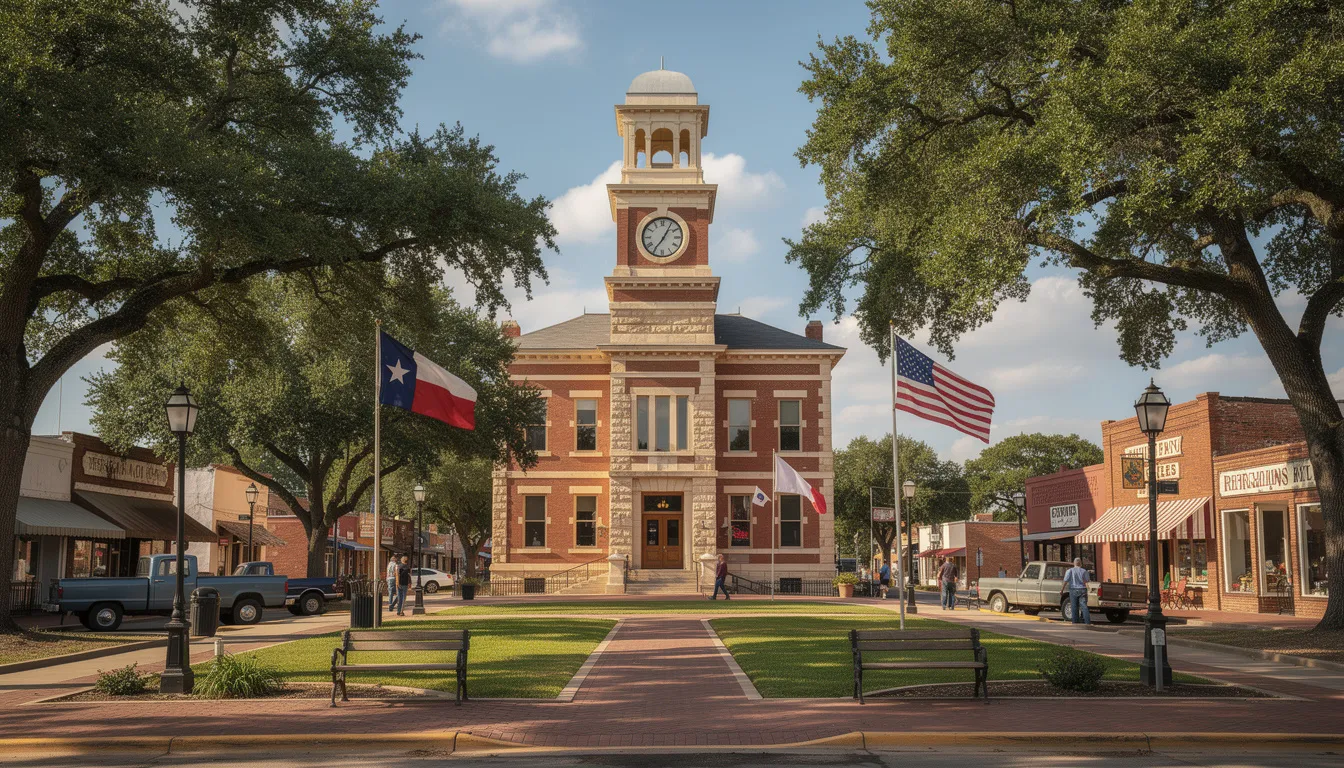
The heart of downtown Weatherford is Courthouse Square, centered around the Parker County Courthouse. This restored Second Empire–style building serves as a local landmark and a popular photo backdrop.
Surrounding the square, you’ll find antique stores, boutiques, western memorabilia shops, specialty food stores, and rustic furniture showrooms. The walkable layout makes it easy to spend an afternoon browsing. Farmer’s market vendors often appear in season, offering Parker County peaches, pecans, and watermelons, though availability varies by time of year.
Downtown also hosts seasonal events, parades, and markets that draw residents who enjoy community gatherings and supporting local businesses. Many buyers I work with are drawn to older homes within a short drive of downtown because they appreciate being able to walk to courthouse square events without a long commute.
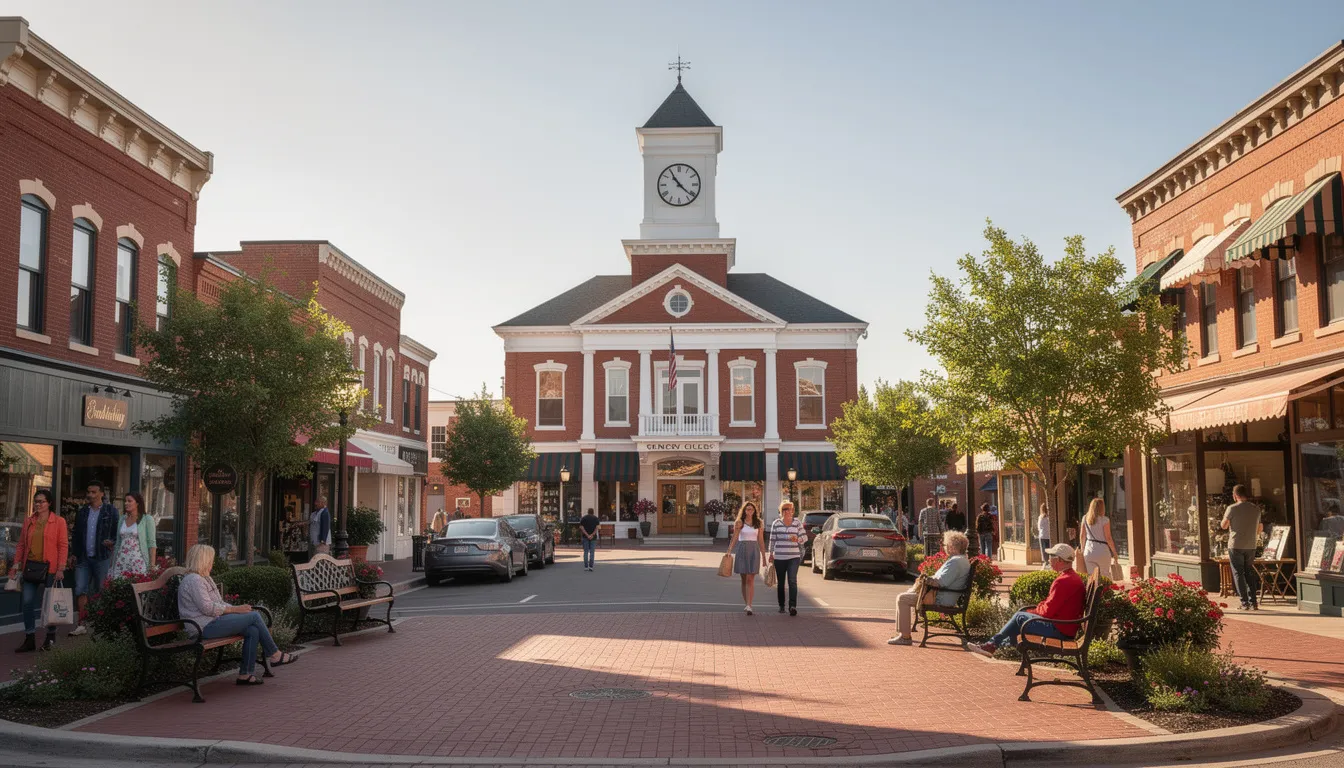
Weatherford’s First Monday Trade Days take place on the Friday, Saturday, and Sunday before the first Monday of each month. The market is located just a short drive from downtown and has a long history rooted in agricultural trade and regional commerce.
Visitors typically find outdoor and covered vendor spaces offering home décor, garden items, handmade goods, collectibles, farm and ranch supplies, and various food and snacks. Designated areas may include live animals and livestock-related items.
Practical tips: arrive early for easier parking, prepare for walking in Texas weather, and bring both cash and cards since vendor payment options vary. Many long-time Weatherford residents schedule their calendars around favorite Trade Days weekends, using them as opportunities to connect with neighbors and visitors.
Weatherford offers a historic driving tour that takes visitors past Victorian, Queen Anne, and Greek Revival homes, many built by local leaders and ranchers in the late 1800s and early 1900s. The tour is a great way to appreciate the city’s architectural history at your own pace.
Notable local connections include Broadway star Mary Martin, who was born in Weatherford, and her son Larry Hagman. Former U.S. House Speaker Jim Wright also has local ties. Greenwood Cemetery is the resting place for figures like Charles Goodnight, Oliver Loving, and Boze Ikard, whose lives helped inspire stories such as Lonesome Dove.
The Pythian Home, often called the “Castle on the Hill,” was built in the early 1900s by the Knights of Pythias and now serves children and families through modern foster care–related programs. The Museum of the Americas in or near downtown focuses on artifacts and folk art from Native and Indigenous peoples across North and South America, with exhibits on traditional crafts, religious items, and daily life objects.
If you enjoy history and architecture, you can easily spend a day following the driving tour and visiting these museums to understand Weatherford’s broader cultural context.
Weatherford offers several outdoor recreation options, from hiking and biking to boating and fishing. The mild winters and long warm seasons make it possible to enjoy the outdoors much of the year.
The Lake Mineral Wells State Trailway runs roughly 26 miles between Weatherford and Mineral Wells along a converted rail corridor. It’s popular for walking, biking, and horseback riding—a true rails-to-trails experience. Within town, the Town Creek Hike and Bike Trail connects parks, schools, and civic areas, making it a convenient option for everyday exercise.
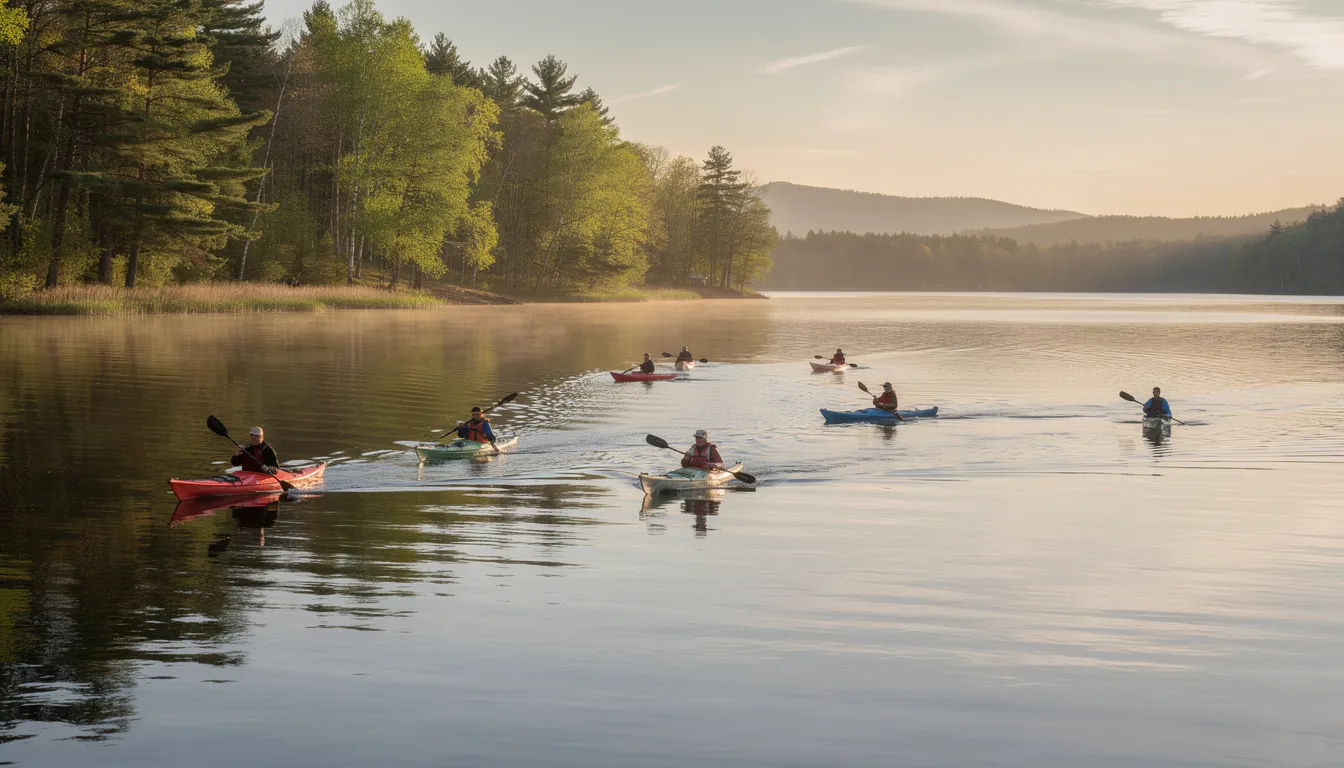
Lake Weatherford is a local reservoir offering boating, kayaking, fishing, and shoreline recreation. Lakefront or near-lake properties may interest some buyers, though prices and availability can vary widely. The Weatherford area also includes public and private golf courses, parks, and ballfields, giving residents multiple ways to enjoy outdoor time close to home.
If regular outdoor time is important to you, consider factoring access to trails, lakes, and parks into your home search criteria.
Weatherford College is a long-established community college with more than 150 years of history serving Weatherford and surrounding North Texas communities. The institution offers dozens of academic and technical programs, including health sciences, business, trades, and transfer-oriented degrees that can feed into four-year universities.
The campus contributes to local life in several ways: events, fine arts performances, athletic games, and continuing education or workforce training opportunities for adults. Many residents appreciate having a nearby option for dual-credit high school students, recent graduates, and adults returning to school. For current program details, I’d recommend consulting the college directly.
When it comes to K–12 education, school zoning in and around Weatherford is determined geographically and can vary from one street to the next. If you’re considering a home purchase, verify attendance zones directly with local school districts before making decisions.
I don’t provide school ratings or recommendations, but I encourage clients to use multiple sources—district websites, state education resources, and independent reviews—to research schools that may be a good fit for their families.
Daily life in Weatherford often feels quieter and more connected than in larger Metroplex cities. Local events built around Courthouse Square, strong agricultural and western roots, and easy access to Fort Worth amenities create a distinctive rhythm here.
Housing options range widely:
Property Type
Characteristics
Historic homes
Near the center of town, architectural character, established neighborhoods
Mid-century neighborhoods
Mature trees, varied lot sizes, closer to schools and downtown
Newer subdivisions
Contemporary floor plans, community amenities, often on town edges
Acreage/ranchettes
Outside city limits, space for horses or hobby farms, more privacy
Home prices, property taxes, and HOA structures can vary significantly depending on location, age, and size of the property. Working closely with a licensed real estate professional—and, if needed, a lender—will help you understand your total housing budget.
Practical lifestyle considerations include:
From my experience, many clients are drawn to Weatherford when they want more space, a slower pace, or a stronger connection to western culture without being too far from major highways and shopping. It’s about finding the right fit for your priorities.
The Weatherford market, like any local market, can change quickly based on supply, demand, interest rates, and broader North Texas trends. Up-to-date guidance matters.
For buyers:
For sellers:
My role is to guide clients step by step, explain paperwork, coordinate inspections and negotiations, and help them make informed choices—not to pressure anyone into a decision. If you’re considering a move to or from Weatherford, I’m happy to have a no-pressure conversation about your timeline, goals, and questions.
For questions beyond real estate brokerage services—like tax implications, legal matters, or lending details—I encourage you to speak with qualified professionals in those areas.
Weatherford blends historic charm, western heritage, outdoor recreation, and practical access to the DFW Metroplex in a way that appeals to many North Texas buyers and sellers. Whether you want a historic home near the courthouse square, a newer home in a subdivision, or more land on the outskirts of town, the key is matching your lifestyle preferences and budget to the right part of the Weatherford area.
If you’re curious about Weatherford neighborhoods, current listings, or what your own home in Parker County may be worth in today’s market, feel free to reach out. There’s no obligation to move forward—just an opportunity to learn more and see if this community might be the right fit for you.
This article is for informational purposes only and is not intended to provide legal, tax, or financial advice. Real estate laws and market conditions vary. Always consult with a licensed real estate professional or appropriate advisor regarding your specific situation.



.png)