

Downtown Fort Worth serves as the city’s central hub for culture, dining, government, and entertainment. Whether you’re planning a visit, considering a job in the area, or thinking about making it your permanent home, understanding what downtown offers can help you make more informed decisions about life in this part of Texas.
The heart of Fort Worth brings together some of the city’s most recognizable attractions within a compact, walkable area. Sundance Square anchors the entertainment and shopping district, while the Fort Worth Water Gardens provides a striking urban oasis just blocks away. Bass Performance Hall draws thousands of visitors each year for performances ranging from symphony to ballet to opera.
Several urban neighborhoods sit within a few minutes’ drive of the central business district, each with its own character and housing options. From the historic Stockyards to the restaurant-lined streets of Near Southside, the downtown area connects to a broader network of communities that make up the Fort Worth lifestyle.
As a local Keller Williams Realtor working throughout the DFW area, I often help clients understand how downtown fits into their search for the right neighborhood. The goal here is to give you a clear picture of what to expect—no hype, just practical information you can use.
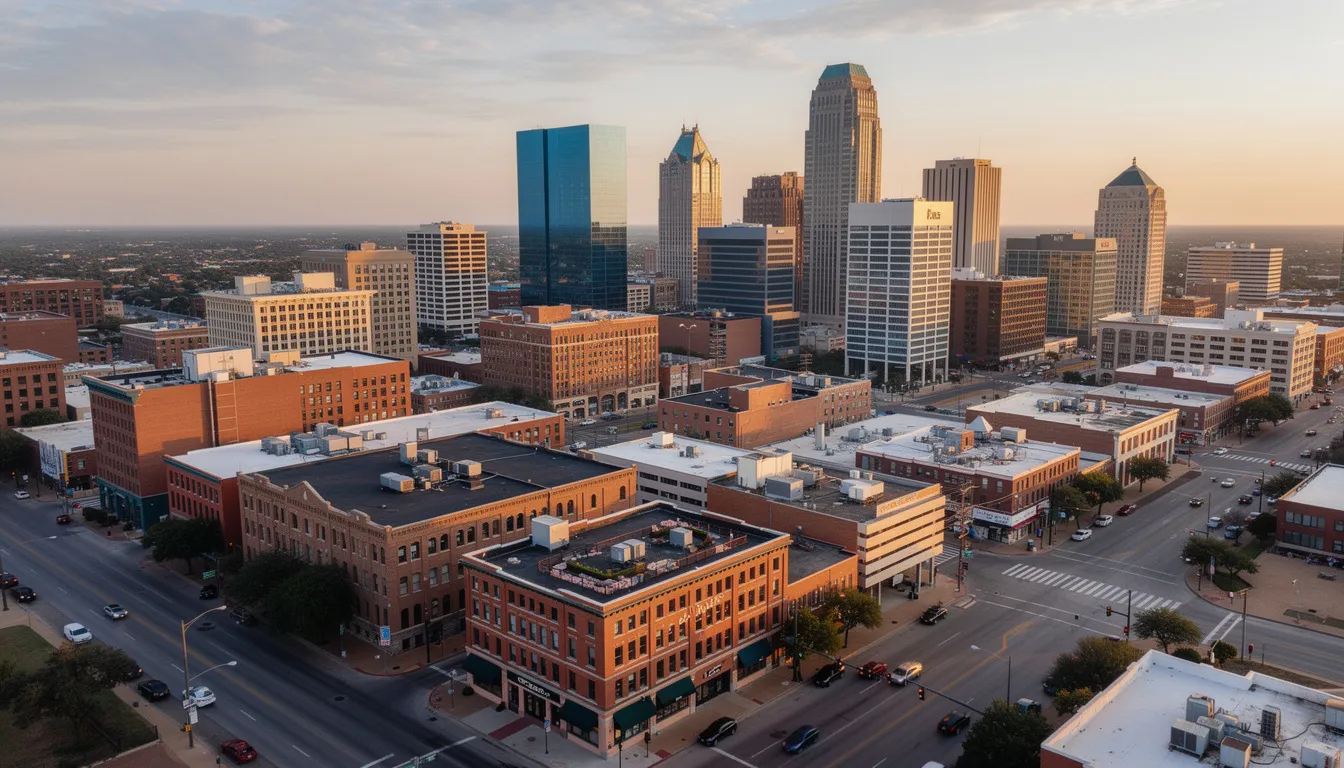
Sundance Square covers roughly 35 to 37 blocks in the center of downtown Fort Worth and represents one of the most successful urban revitalization stories in the American West. Beginning in the 1980s, private investment transformed what had become a struggling commercial district into a vibrant destination for residents and visitors alike.
Sundance Square Plaza serves as the central gathering space, featuring fountains, public art, murals, and outdoor seating areas that invite people to linger. Throughout the year, seasonal events bring life to the plaza—from the large Christmas tree and holiday markets in December to outdoor concerts and festivals in warmer months. The atmosphere shifts with the calendar, offering something different depending on when you visit.
Surrounding the plaza, you’ll find Bass Performance Hall, which opened in 1998 and has become one of downtown’s most recognizable landmarks. The angel sculptures on its façade have appeared in countless photos, and the hall hosts regular performances that draw audiences from across the region. Nearby, the Sid Richardson Museum showcases Western art in a free public gallery, adding to the cultural offerings within easy walking distance.
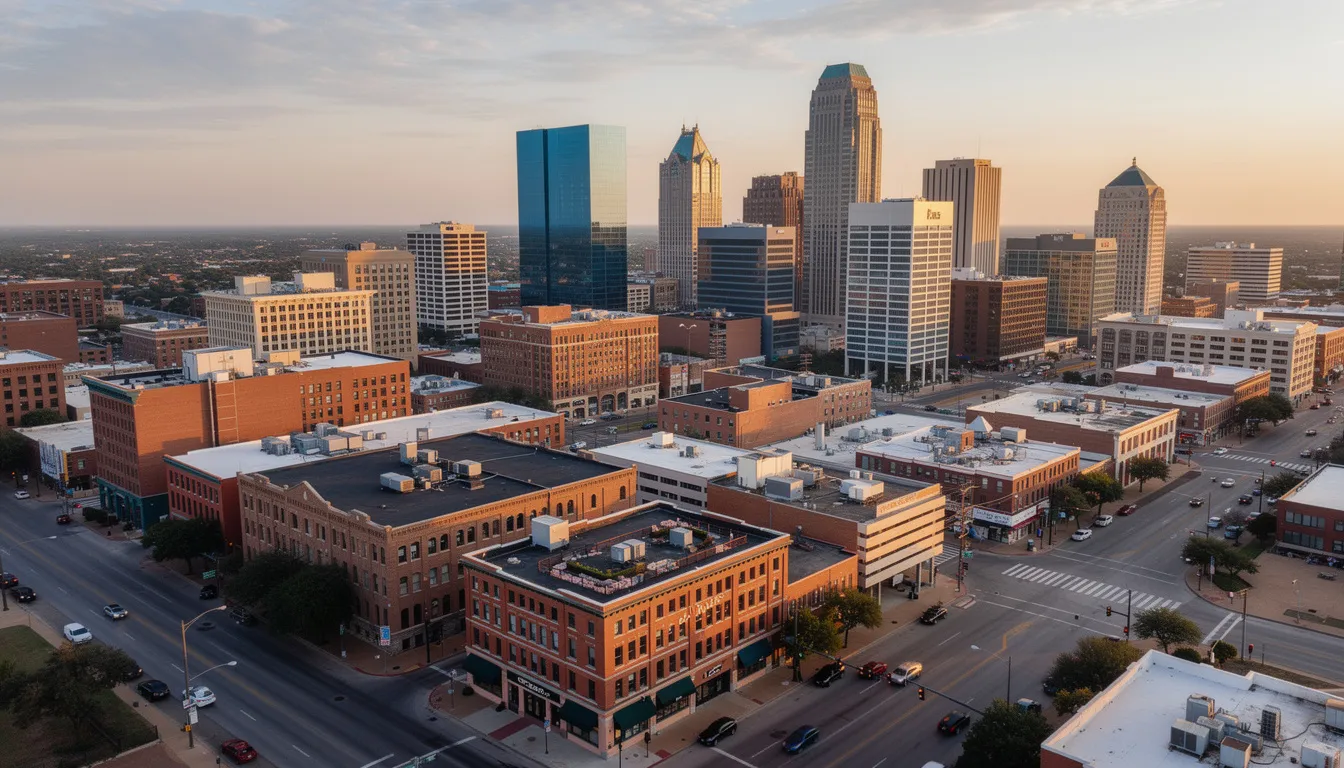
What makes Sundance Square distinctive is the blend of restored early-1900s buildings alongside modern construction. Historic brick facades sit next to contemporary glass towers, creating a streetscape that honors the city’s history while embracing its future. Many visitors use the square as a starting point to explore restaurants, art galleries, and stores throughout downtown, making it a natural hub for any trip to the area.
Downtown Fort Worth offers a range of dining experiences within walkable blocks—everything from quick lunch spots and coffee shops to upscale steakhouses and rooftop patios with views of the city. The variety means you can find something that fits your mood, whether you’re grabbing a casual meal or planning a special night out.
Many people coordinate dinner or drinks downtown with events at Bass Hall or the Fort Worth Convention Center. A performance at the symphony followed by cocktails nearby has become a familiar routine for locals, and the concentration of restaurants makes it easy to build an evening around whatever brings you downtown.
The nightlife scene includes live music venues featuring jazz, country, and other genres, especially on weekends. You’ll find everything from intimate listening rooms to lively bars where sports fans gather to watch games. The entertainment options run the full spectrum, so there’s usually something happening on any given night.
Keep in mind that the feel of downtown can vary significantly depending on when you visit. Weekday afternoons tend to be quieter, with the business crowd focused on work. Evenings and weekends bring more energy, particularly when special events draw crowds to the streets and plaza areas.
Downtown Fort Worth balances commercial activity with green spaces, performance venues, and Fort Worth museums all within a compact footprint, making it one of many vibrant neighborhoods in the broader Dallas–Fort Worth area. This combination makes the area appealing for people who want urban convenience without sacrificing access to culture and recreation.
The Fort Worth Water Gardens opened in 1974 and covers approximately 4.3 acres just south of the convention center. Designed by architect Philip Johnson, the park features three distinct pools—an active pool with cascading water, a quiet meditation pool, and an aerating pool with fountain displays. The design creates a dramatic contrast with the surrounding city streets, and the gardens have become a popular spot for photos, quiet reflection, and escaping the Texas heat.
The water gardens have appeared in films and television productions over the years, putting Fort Worth on screen for audiences worldwide. For visitors and residents alike, the space offers a change of scenery that feels surprisingly removed from urban life despite being steps from downtown office buildings.
Bass Performance Hall stands as the signature cultural landmark in downtown Fort Worth. The hall serves as the permanent home for the Fort Worth Symphony Orchestra, Texas Ballet Theater, and Fort Worth Opera, bringing world-class performances to North Texas throughout the year. The Van Cliburn International Piano Competition, held every four years, draws pianists and audiences from around the globe.
Beyond the major resident companies, Bass Hall hosts touring Broadway productions, concerts, and special events that fill its calendar year-round. The building itself—with its distinctive angel sculptures and grand interior—has become an architectural attraction in its own right.
Smaller galleries and museums near Sundance Square showcase Western art, work by local artists, and rotating exhibits that change throughout the year. These cultural stops provide alternatives to the larger museums in the Cultural District and can be explored in an afternoon of walking downtown.
Seasonal events periodically transform downtown streets and the plaza. Holiday decorations, outdoor concerts, festivals, and community gatherings create reasons to visit throughout the calendar. These events contribute to the area’s atmosphere and can influence when certain neighborhoods feel most active.

Downtown Fort Worth functions as more than a destination for visitors—it also serves as the city’s main center for government, major employers, and higher education. Understanding this dimension of downtown helps explain the weekday energy and the demand for nearby housing and services.
Fort Worth City Hall sits on Texas Street, surrounded by public safety buildings, courts facilities, and other civic offices. This concentration of government services makes downtown a practical hub for residents who need to handle official business, and it brings a steady flow of people into the area during business hours.
Several major corporate offices and regional headquarters call downtown home, contributing to a daytime workforce that supports restaurants, coffee shops, and service businesses throughout the week. The presence of these employers creates demand for convenient housing options and shapes the Fort Worth real estate market and commute patterns across the metro area.
Downtown Fort Worth’s educational institutions contribute to a steady flow of students and professionals, adding another layer to the area’s daily activity. Higher education has a visible presence here, with multiple institutions operating campuses and administrative facilities in the central business district.
The Texas A&M University School of Law occupies a prominent building downtown. Originally established in the late 1990s as a private law school, it was acquired by the Texas A&M University System in 2013 and continues to draw law students to the area for classes and related activities.
Tarrant County College maintains its Trinity River campus and administrative offices downtown, with some operations housed in renovated former corporate space. This presence brings community college students into the urban core, where they can combine coursework with access to downtown amenities.
The University of Texas at Arlington also maintains a presence nearby in restored historic structures, including the former Santa Fe Freight Building. These facilities offer degree programs and professional courses that serve working adults looking to advance their education without traveling far from their jobs.
For many residents and commuters, these campuses make it possible to combine work, education, and urban life in the same area—a convenience that can influence where people choose to live.
Beyond government buildings and colleges, downtown offers public resources that serve the broader Fort Worth community. The central public library facility, expanded around 2000, functions as a research and community hub with programs and services for residents across the city.
The surrounding area falls under the Fort Worth Independent School District, with public schools and education services available to local residents. Families considering a move to or near downtown should research specific schools and programs based on their individual needs and priorities.
Various downtown buildings and landmarks have appeared in films and television productions over the years, from the Water Gardens to historic courthouses, showcasing Fort Worth’s distinctive character on screen.
Several distinct districts sit within a short drive or rideshare from the central business district, each offering different housing types, price points, and lifestyles. Understanding these neighborhoods can help you narrow down where to focus your search if you’re considering a move to the area.
From my perspective as a local Keller Williams Realtor, many buyers explore both downtown and the surrounding neighborhoods when deciding where to live, work, or invest, especially as market conditions in Fort Worth evolve over time. Each area has its own personality, and what works for one person may not be the right fit for another.
The Fort Worth Stockyards sits north of downtown and preserves the city’s cattle and rail era heritage. Brick streets, preserved stock pens, and regular Western-themed events keep the Old West spirit alive for both locals and visitors. The district includes restaurants, live music venues, shops, and attractions that celebrate Fort Worth’s history as a major stop on the Chisholm Trail.
West of downtown, the Cultural District is home to major art museums—including the Kimbell Art Museum, Modern Art Museum of Fort Worth, and Amon Carter Museum of American Art—along with the Will Rogers Memorial Center. This facility hosts annual events including the Fort Worth Stock Show & Rodeo, drawing visitors from across the region each winter.
Both districts are short drives from downtown and can influence housing decisions for people who want easy access to museums, events, and dining without living in the central business district itself, particularly for buyers considering homes in West Fort Worth communities.

The West 7th corridor connects downtown to the Cultural District and has seen significant redevelopment in recent years. Mid-rise apartments, townhomes, retail spaces, and restaurants line West 7th Street and the surrounding blocks, creating a walkable urban neighborhood with its own identity.
Near Southside, just south of downtown, includes major medical centers and a walkable stretch along Magnolia Avenue. This street has become known for its mix of restaurants, bars, and small businesses, offering a neighborhood feel within minutes of the central business district and complementing nearby South Fort Worth neighborhoods like TCU/Westcliff and Fairmount.
The TCU area, southwest of downtown, surrounds Texas Christian University and includes a mix of older homes and newer student-oriented housing. University Drive and Berry Street feature dining and nightlife that serve both the campus community and long-term residents of the surrounding neighborhoods.
It’s also worth mentioning the Panther Island redevelopment effort north of downtown. This long-term project envisions additional mixed-use urban neighborhoods with new recreation areas, parks, and housing options along the Trinity River. Development timelines for major infrastructure projects can shift, so anyone interested should research current status and plans.
Getting to and around downtown Fort Worth involves several options depending on where you’re coming from and what you’re doing. Most people who live in the DFW area rely on cars for daily travel, but downtown offers alternatives that may work depending on your situation.
Several major highways converge near downtown, making it a central node for commuters from different parts of Tarrant County and neighboring cities. Fort Worth Central Station serves as the main transit hub, with commuter rail, regional trains, and bus services connecting downtown to other parts of North Texas, including Dallas.
TEXRail provides a direct train connection between downtown Fort Worth and DFW International Airport, which may be convenient for travelers who prefer to avoid driving and parking at the airport. The trip takes roughly an hour, with stops along the way in several communities, many of which are covered in depth in my DFW real estate blog with neighborhood guides.
Many downtown garages and lots offer paid parking, with some free or reduced-fee options available during evenings or weekends. Rates and policies change over time, so always check current signage when you arrive. Street parking in some areas may have time limits during business hours.
The core of downtown, especially around Sundance Square, is relatively walkable. Wide sidewalks, crosswalks, and street lighting make it comfortable to walk between destinations during the day and evening. As with any urban area, use your judgment about transportation choices based on the time of day and where you’re headed.
Many of my Keller Williams clients ask what it’s like to live in or near downtown Fort Worth. The honest answer is that it depends on what you’re looking for and what trade-offs you’re willing to accept.
Housing options in and around downtown include condos in mid-rise and high-rise buildings, converted historic lofts with original architectural details, townhomes in newer developments, and single-family homes in nearby neighborhoods. Each option comes with different price points, square footage, and lifestyle considerations.
Living downtown offers walkable access to dining, entertainment, and cultural attractions. For people who work in the central business district, the commute can be minimal—sometimes just an elevator ride. Being close to events at Bass Hall or the convention center means you can easily attend performances or gatherings without fighting traffic.
On the other hand, urban living comes with considerations like parking availability, potential noise from street activity and events, and homeowner association fees in many condo and townhome communities. Storage space may be limited compared to suburban homes, and some people simply prefer more square footage and yard space.
When deciding whether downtown or a surrounding neighborhood fits your needs, think about factors like your preferred commute, budget range, desired home size, and interest in urban amenities. There’s no one-size-fits-all answer, and what feels perfect for one buyer may not work for another.
If you’re considering a move in the Fort Worth or DFW area and want to talk through your options, I’m happy to have a no-pressure conversation about neighborhoods, current market conditions, and practical next steps—you can start by visiting my contact page as a Dallas–Fort Worth Realtor.
Downtown Fort Worth brings together historic character, cultural destinations, business activity, and evolving neighborhoods in a way that appeals to people who enjoy city life with a strong local identity. From the fountains of Sundance Square Plaza to performances at Bass Hall to the quiet pools of the Water Gardens, the area offers experiences that reflect Fort Worth’s unique personality.
Keep in mind that conditions, businesses, and development plans can change. Anyone making housing or investment decisions should rely on up-to-date information, personal visits, and guidance from qualified professionals who understand the current market.
If you have questions about Fort Worth neighborhoods or want help thinking through what a move might look like for your situation, feel free to reach out. I’m here to provide guidance and support—no pressure, just honest conversation about your options.
This article is for informational purposes only and is not intended to provide legal, tax, or financial advice. Real estate laws and market conditions vary. Always consult with a licensed real estate professional or appropriate advisor regarding your specific situation.



.png)