

If you've been thinking about making a move to a place that blends character, convenience, and a little bit of grit, fort worth tx lofts deserve a serious look. Over the past decade, the loft scene in Fort Worth has grown from a handful of converted warehouses into a genuine urban housing market with options spread across several distinct neighborhoods. Whether you're a young professional who wants to walk to work, a remote worker craving a more interesting home office backdrop, or someone ready to downsize from the suburbs, there's likely a loft in this city that fits.
So what exactly counts as a loft here? In Fort Worth, you'll find two main categories. True industrial lofts are adaptive reuse conversions-old warehouses, garment factories, and department stores reimagined as residential spaces. They tend to keep the bones of the original building: exposed brick, timber beams, oversized factory windows. Then there are modern loft-style apartments, newly built but designed to capture that same open, airy feel with high ceilings, open-concept layouts, and modern finishes like polished concrete floors and contemporary fixtures. Fort Worth lofts often have open-concept layouts and modern finishes, and common features include high ceilings and oversized windows regardless of whether the building is a century old or brand new.
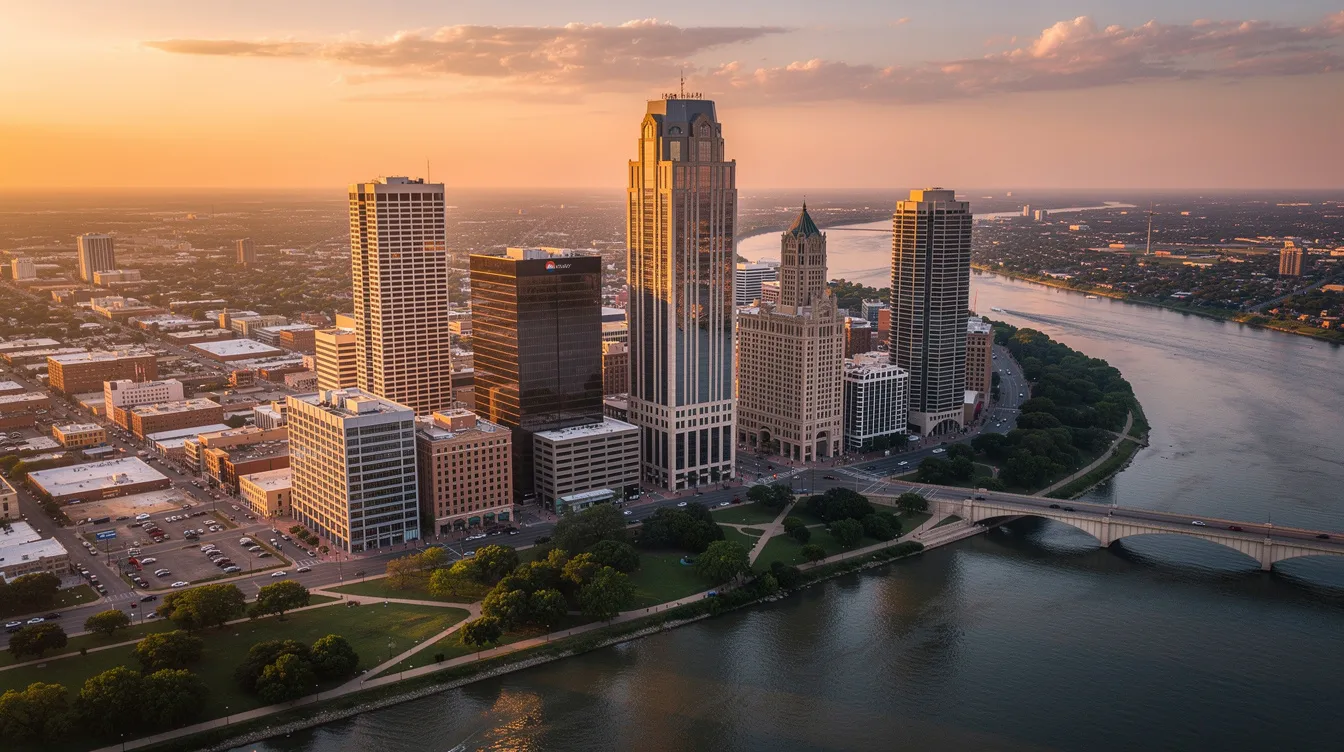
Lofts in Fort Worth tend to cluster in a few key areas: downtown around Sundance Square and the T&P Station corridor, the Near Southside along Magnolia Avenue, the West 7th Street corridor near the Cultural District, and the Lancaster Avenue area on the east side. Typical units range from studios to two-bedrooms, with average downtown rents around $1,699 per month as of recent data. Across popular central districts, one-bedrooms generally run about $1,400 to $1,800, though rentals for lofts in Fort Worth start around $1,100 per month for smaller studios in certain buildings. Luxury lofts in Fort Worth are a hot commodity, and if you're considering buying rather than renting, the price range for purchasing a loft or condo in Fort Worth typically falls between $250,000 and $900,000 depending on location, size, and finishes.
Downtown Fort Worth is the core area for loft apartments, and it's easy to see why. The walkability here is hard to beat-step outside and you're minutes from Sundance Square, major employers, and some of the best restaurants and entertainment in the city. It's the kind of place where you can leave your car parked for the entire weekend and never feel like you're missing out.
Building types downtown cover a wide range. You'll find historic high-rises that have been converted from commercial or office use into residential lofts, mixed-use towers with retail at street level and apartments above, and smaller boutique loft communities tucked onto quieter blocks just off the main corridors. The area around West 4th and 5th Streets, the T&P Station corridor, and the blocks flanking the Fort Worth Convention Center all have notable loft options. Downtown Fort Worth has the largest concentration of authentic lofts and warehouse conversions in the city, which makes it the natural starting point for anyone drawn to that industrial aesthetic.
The downtown lifestyle revolves around walkability. Residents can stroll to coffee shops and restaurants, catch a show at Bass Performance Hall, or hop on Trinity Metro commuter rail and bus lines without worrying about parking. Burnett Lofts, for instance, is steps from Sundance Square and offers access to the downtown hike–bike network, making it easy to stay active without a gym membership-though it has one of those too.
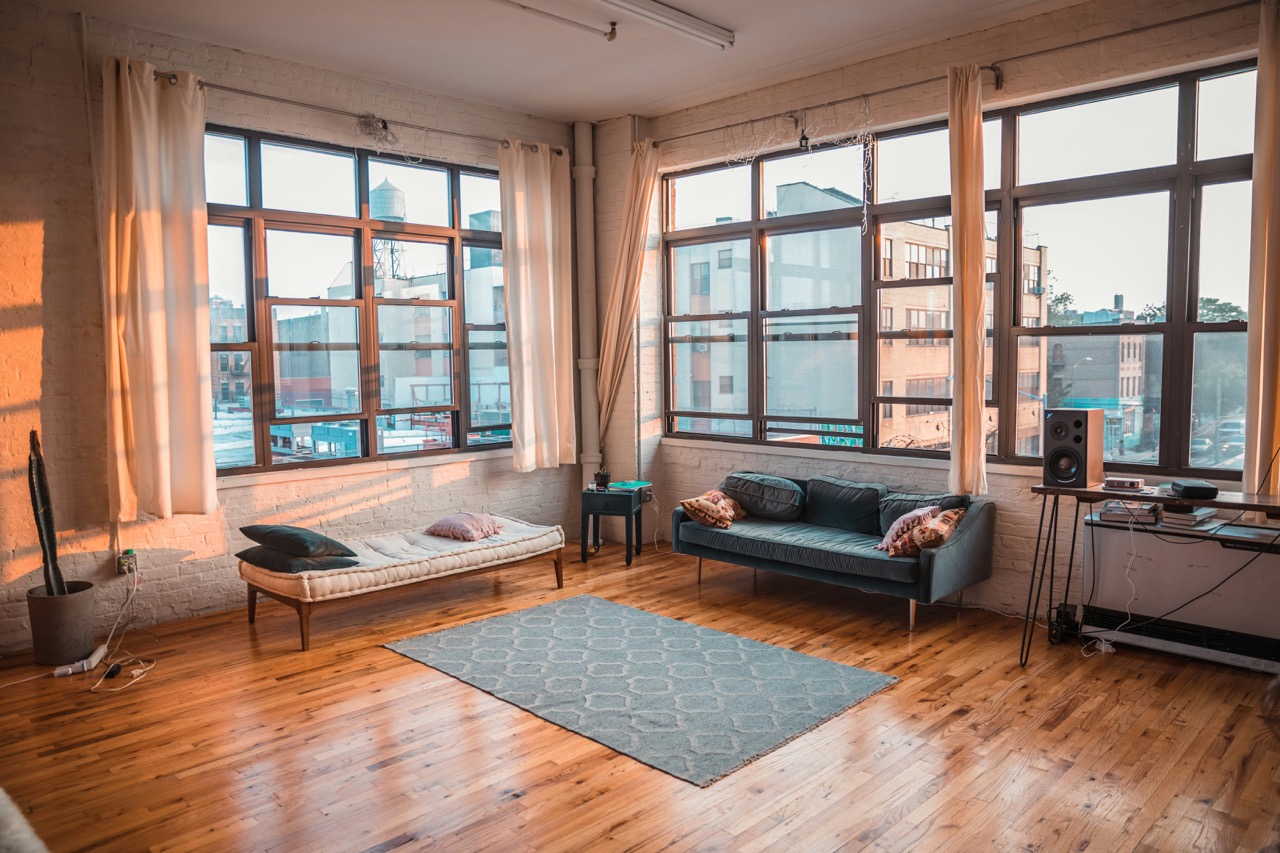
Inside a typical downtown loft, expect tall ceilings (often 12 feet or more in older conversions), exposed structural elements like ductwork and beams, polished concrete or original wood floors, and large windows framing city views. Typical loft finishes include exposed brick and polished concrete floors, giving even compact units a sense of openness.
Downtown loft pros and cons at a glance:
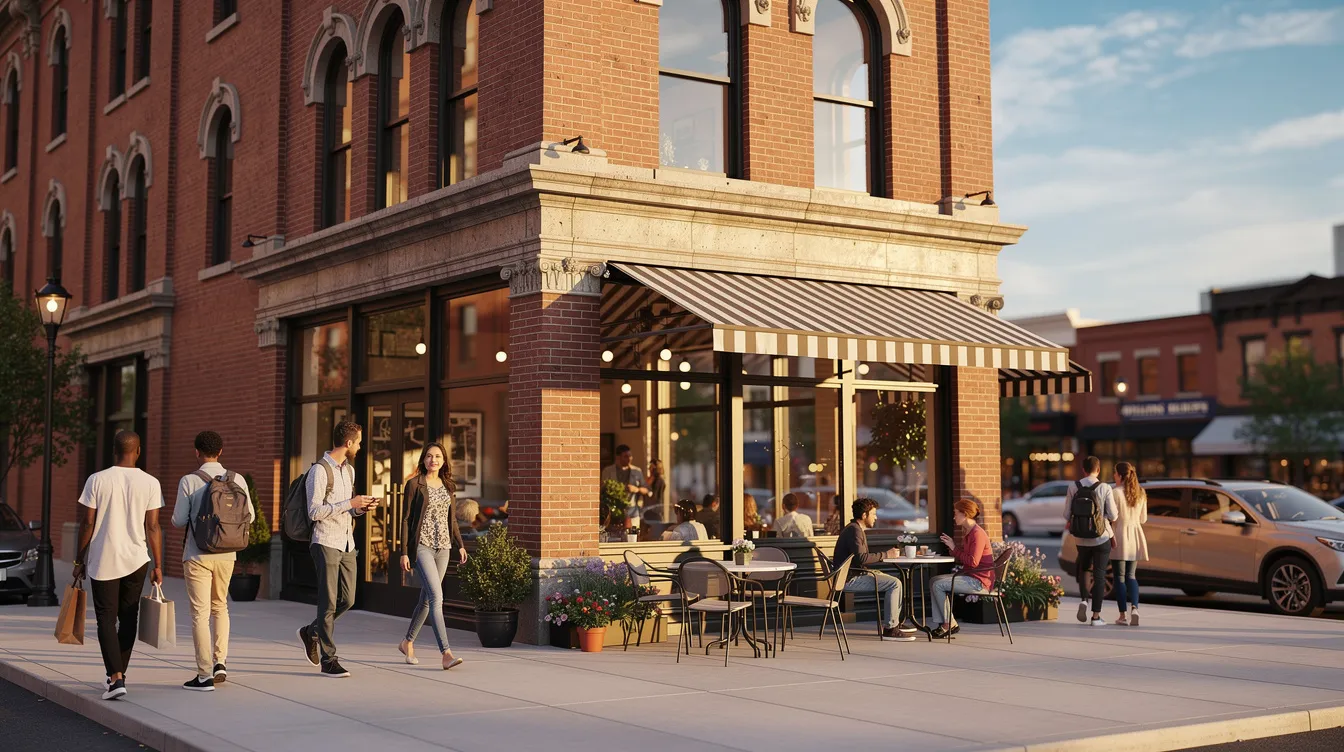
There's something magnetic about living inside a building with a story. Historic and industrial loft conversions in Fort Worth pull that off better than almost any other housing type. These are spaces where you can run your hand along a brick wall that's been standing since the early 1900s, look up at original timber or steel beams, and feel the weight of the building's past life as a warehouse, factory, or rail-adjacent commercial structure.
Many of these adaptive reuse projects started taking shape in the early 2000s and gained momentum through the 2010s as downtown and the Near Southside began their revival. Developers recognized that Fort Worth's early industrial growth-garment manufacturing, warehousing, and rail commerce-had left behind structures with incredible bones. Lofts in Fort Worth often feature historic conversions that preserve those original details while adding the systems and finishes modern residents expect.
The architectural vocabulary of these buildings is distinctive: exposed brick walls that glow warm in afternoon light, ductwork left visible overhead, original columns marching across open floor plates, and large factory-style windows that flood interiors with natural light. The flexible layouts are a big part of the appeal-you get to decide how the space works for you, rather than following a builder's predetermined plan. That said, some historic conversions come with quirks. Non-standard layouts, fewer closets, and ambient noise from nearby trains or nightlife are all part of the package. For most people who choose these spaces, the character and quality of the architecture more than make up for the trade-offs.
To really understand what downtown loft living looks like, it helps to look at a few specific buildings. These aren't the only options, but they give you a sense of what's out there and the kind of experience each one offers.
Sanger Lofts is one of the most recognized loft addresses in the city. Originally built in 1929 as the Sanger Brothers Department Store at 222 W. 4th Street, this Spanish Renaissance Revival building was designed by architect Wyatt C. Hedrick. In 1993, the upper floors were converted into approximately 59 loft residences, while the ground floor continued as retail space in the heart of downtown. Inside, residents find high ceilings, industrial-style fixtures, exposed ductwork, and elevated sleeping areas that allow light from those tall windows to reach deep into each unit. The building sits close to Sundance Square, making it walkable to virtually everything downtown offers. People who choose Sanger Lofts tend to value architectural character and a central location over cookie-cutter floor plans.
Other notable downtown loft buildings include properties near the T&P Station-a historic train depot that anchors its own corridor of residential and mixed-use development-and buildings along Lancaster Avenue that range from older conversions to newer mid-rise projects with updated amenities. These vary in age and style: some were converted in the late 1990s and 2000s, while others are more recent additions to the market.
Why choose a historic downtown loft over a newer tower?
That said, newer towers tend to offer more standardized layouts, better energy efficiency, and modern amenity packages. The right choice depends on what matters most to you.
Just south of downtown Fort Worth, the Near Southside and Magnolia Avenue corridor have become one of the trendiest neighborhoods in the city. The Near Southside neighborhood is trendy and features industrial-style lofts that draw in medical professionals, creatives, graduate students, and anyone who wants an urban feel without the intensity of the downtown core.
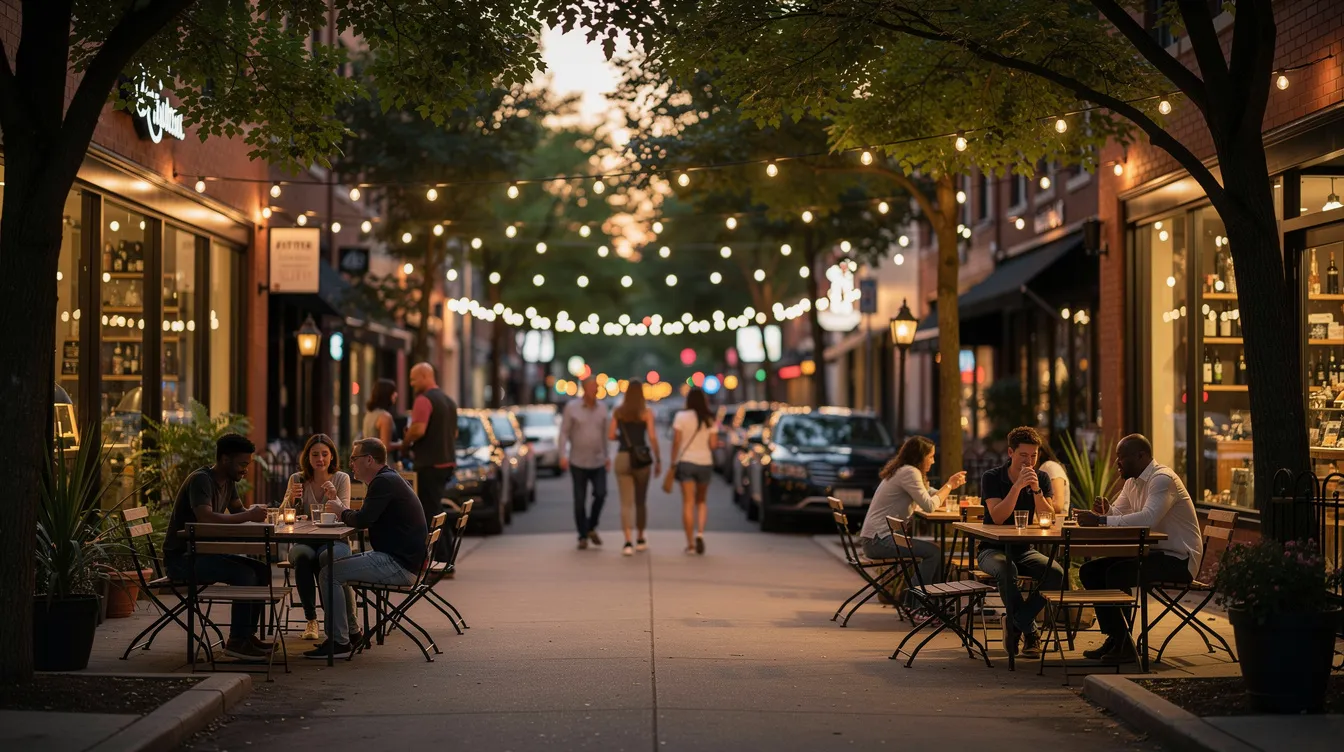
Loft living here has a different texture than downtown. Buildings tend to be smaller and more intimate-boutique communities with fewer units and a stronger sense of neighborhood. You're walkable to Magnolia Avenue's lineup of locally owned restaurants, bars, breweries, and coffee shops, and the vibe leans toward arts, food, and community events rather than corporate bustle.
Magnolia Lofts is a standout example. This community features 38 residential apartments with custom finishes, condo-like floor plans, and breathtaking views of downtown Fort Worth from its rooftop deck. Magnolia Lofts offers rooftop deck views of downtown that are hard to match at this price point, and the building is located less than one mile from downtown Fort Worth. The mix includes efficiencies, one-bedroom, and two-bedroom homes, so there are options whether you need a compact studio or room to spread out. Lofts on Vickery, another community in this area, are close to Botanical Gardens and Art Museums, giving residents easy weekend access to some of the city's top cultural attractions.
Near Southside lifestyle highlights:
West 7th is one of Fort Worth's busiest mixed-use corridors, and it functions as a bridge between downtown and the Cultural District. If you want easy access to both nightlife and world-class museums-all within walking or biking distance-this is the place to look. The dining, shopping, and entertainment options along this stretch are some of the best in texas, and the energy here is palpable on any given weekend.
Loft-style apartments are available in various neighborhoods like West 7th and the Cultural District, though many of the "lofts" here are modern construction rather than true industrial conversions. They capture the aesthetic-open-concept layouts, high ceilings, large windows-but pair it with contemporary finishes like quartz countertops, stainless steel appliances, and upgraded fixtures throughout.
The Lofts at West 7th is one of the most well-known communities in this corridor. Located near the Fort Worth Cultural District, the property offers an upgraded fitness center, seven resident lounging areas, and allows up to two pets per home-a big draw for dog and cat owners. Studios here start around $1,100, with one-bedrooms in the $1,229–$1,600 range and larger units climbing from there. The lifestyle centers around resort-style amenities, communal grill areas, and proximity to Montgomery Plaza, the West 7th bridge, and nearby Trinity River trails.
Major cultural attractions are just minutes away: the Kimbell Art Museum, Modern Art Museum of Fort Worth, and Will Rogers Memorial Center are all within easy reach.
West 7th pros and cons:
Fort Worth's loft market isn't limited to one or two buildings. There's a genuine range of loft and loft-style communities across the city, each with its own personality and price point. Here's a high-level look at what different areas bring to the table.
The downtown core and Lancaster corridor offer everything from intimate historic conversions to taller mixed-use buildings. Studio to two-bedroom lofts here may range roughly from the low $1,100s to above $3,000 depending on size, view, and amenities. Burnett Lofts, for example, offers upscale studio, one-, and two-bedroom floor plans and features a resort style pool along with a 24-hour fitness center. Its location puts residents within walking distance of Sundance Square and the services and dining that surround it.
Areas around Hulen and further west offer more conventional fort worth apartments alongside some loft-inspired layouts, as well as a range of homes in West Fort Worth. These communities tend to provide more parking, green space, and a quieter setting. Rents are often lower than the core districts, making them appealing if you want the open-plan feel without the premium.
Newer mid-rise developments in areas like the Burnett corridor offer studio through two-bedroom plans with rooftop or club amenities and quick access to downtown employers. These are good options if you want a modern build with loft-style proportions-think high ceilings and oversized windows-plus amenity-rich common spaces, and they share some of the same advantages highlighted in Fort Worth townhome communities.
Keep in mind that availability fluctuates month to month across all of these communities. Prospective renters should check current listings for exact pricing, concessions, and open units. What's available today may look different in a few weeks.
Understanding who lives in Fort Worth helps explain why the loft market has grown the way it has. The city's population has climbed to roughly 940,000 to 1,000,000 residents in recent years, making it one of the fastest-growing large cities in Texas. The median age sits around 33, which means a large share of the population is in the prime working and renting years.
Median household income runs approximately $76,600 to $79,500 depending on the data source, with per capita income in the upper $30,000s to low $40,000s. About 43–44% of Fort Worth residents are renters, and the citywide median rent hovers around $1,412 per month.
Those numbers map directly onto the loft renter profile. Young professionals wanting downtown access, students and staff connected to TCU and the health science centers, medical professionals near the Near Southside hospitals, and empty nesters downsizing from suburban homes all find lofts appealing. The combination of a relatively young population, strong job growth, and a renter-heavy housing market means demand for quality loft living isn't going anywhere soon, which also underpins many of the opportunities described in guides to real estate investing in Fort Worth.
With this many options on the map, narrowing down your search takes some intentional thinking. Here are the key factors to weigh.
Location priorities. Do you want the maximum walkability of downtown and Sundance Square? The nightlife and amenities of West 7th? The neighborhood charm of the Near Southside or broader South Fort Worth neighborhoods? Or a quieter setting in west or south Fort Worth with a loft-inspired layout? Each neighborhood delivers a different daily experience, and the best one depends on how you actually live.
Commute and transit. If you work downtown, living in the core or along the Lancaster corridor puts you close to major employers and the TRE station at T&P. If you commute by car, proximity to I-30 and I-35W matters. Check bus routes and bike infrastructure if you prefer not to drive daily, and pair that with an understanding of the broader Fort Worth real estate market for homebuyers if you might eventually transition from renting a loft to purchasing a home.
Building type. Historic conversions offer character, unique details, and a story-but they may come with quirks like non-standard layouts and older HVAC systems. New-construction loft-style apartments tend to be more energy efficient and include modern amenity packages, but they lack that one-of-a-kind feel, similar to how new Fort Worth model homes trade some historic charm for contemporary design and efficiencies.
Budgeting guidance: As you run the numbers for rent, it can also help to understand current Fort Worth housing market trends if you're weighing whether to rent a loft now and buy later.
Unit Type
Central Neighborhoods
Outlying Areas
Studio
$1,100–$1,400
$900–$1,100
One-Bedroom
$1,400–$1,800
$1,100–$1,400
Two-Bedroom
$1,900–$2,500+
$1,400–$1,900
Don't forget additional costs beyond base rent: parking fees (especially downtown), pet rent and deposits, utilities (older buildings may run higher), and any amenity charges that get folded into monthly fees.
Step-by-step approach:
What does daily life actually feel like when you call a Fort Worth loft home? It depends on your neighborhood, but there are some common threads.
Mornings might start with sunlight pouring through oversized windows onto exposed brick-one of those small details that makes waking up in a loft different from waking up in a standard apartment. If you're downtown, you can walk to a coffee shop before work and be at your desk in minutes. If you're on West 7th, the Trinity Trails are right there for a morning run or a bike ride before the day heats up. Near Southside residents might grab breakfast on Magnolia Avenue and still have time to spare.
On-site amenities vary by building, but many communities offer fitness centers, rooftop views, pool decks, co-working lounges, and dedicated pet areas. The Lofts at West 7th, for instance, has seven lounging areas and an upgraded fitness center, while Burnett Lofts includes a 24-hour fitness center and a resort-style pool. Magnolia Lofts offers rooftop deck views of downtown that turn a Tuesday evening into something worth remembering.
There are practical considerations, too. Street noise and nightlife can be a factor in the busiest areas-something worth checking during your tour. Private outdoor space is limited in most historic buildings compared with garden-style fort worth apartments farther from the core. Parking in garages or structured decks is the norm downtown and along West 7th, and it often comes with an additional fee.
For pet owners, the news is generally good. Many Fort Worth loft communities are pet-friendly, and nearby parks and river trails-especially along the Trinity-give you plenty of room to walk a dog without leaving the neighborhood.
Ready to find your next home? Here's a straightforward process to follow.
First, decide on two or three priority neighborhoods. If you've read this far, you probably already have a sense of whether downtown, West 7th, the Near Southside, or a quieter area fits your lifestyle best. Write those down.
Next, set a realistic rent range. Use the citywide and neighborhood data above as a starting point, then factor in your own budget. Remember to account for parking, pet deposits, utilities, and any other recurring costs beyond base rent.
Then, make a list of must-have features. Do you need in-unit laundry? Is a pet policy non-negotiable? Do you want historic character or modern construction? Is commute time your top priority? Getting clear on these will help you filter out options quickly.
From there, use up-to-date online listings and virtual tours to narrow your choices. Many communities offer virtual walkthroughs and detailed floor plan information that let you eliminate mismatches before you ever leave your couch, especially when you're also exploring broader Dallas–Fort Worth lifestyle and relocation options. When you've got a short list, schedule in-person showings and try to visit at different times of day-morning, evening, and weekend-to get an honest sense of noise, parking, and neighborhood energy.
I always encourage people to compare at least three different loft communities in Fort Worth before signing a lease. It's the best way to understand the real trade-offs in price, space, and amenities. What looks ideal on a listing can feel very different once you walk through the door.
Fort Worth's loft scene is deep and varied, and there's genuinely something for a wide range of lifestyles and budgets. Whether you love the idea of living inside a century-old warehouse conversion or you'd rather have a brand-new unit with a resort style pool and rooftop lounge, this city delivers. Take the time to explore, schedule a few tours, and don't hesitate to get in touch with a local real estate professional who can help you navigate the options. If you want personalized guidance or have questions about a specific neighborhood, feel free to reach out by email or contact me directly-I'd love to help you find the right fit.
This article is for informational purposes only and is not intended to provide legal, tax, or financial advice. Real estate laws and market conditions vary. All information provided herein is believed to be accurate but is not guaranteed. Properties and availability may change. Accommodations for individuals with disabilities may be available at specific properties-contact each community directly for details. Always consult with a licensed real estate professional or appropriate advisor regarding your specific situation.



.png)