

A rent to own tiny home lets you live small without needing a large upfront payment. You make affordable monthly payments over time, and at the end of the agreement, the home becomes yours.
This article will walk you through how rent to own works, what typical terms look like (often 24 to 60 months), and what to expect if you’re considering this path in 2024 or 2025.
For clarity, a tiny home is generally under 400 square feet. It might sit on wheels or a foundation. Many rent to own programs work for shells, finished units, and park-model style structures.
The focus here is on giving you clear information without pressure. The goal is to help you decide if this option feels right for your family and your budget.
One thing worth knowing upfront: many rent to own programs today do not require a traditional credit check. That opens the door for a wide range of people who might not qualify for conventional financing.
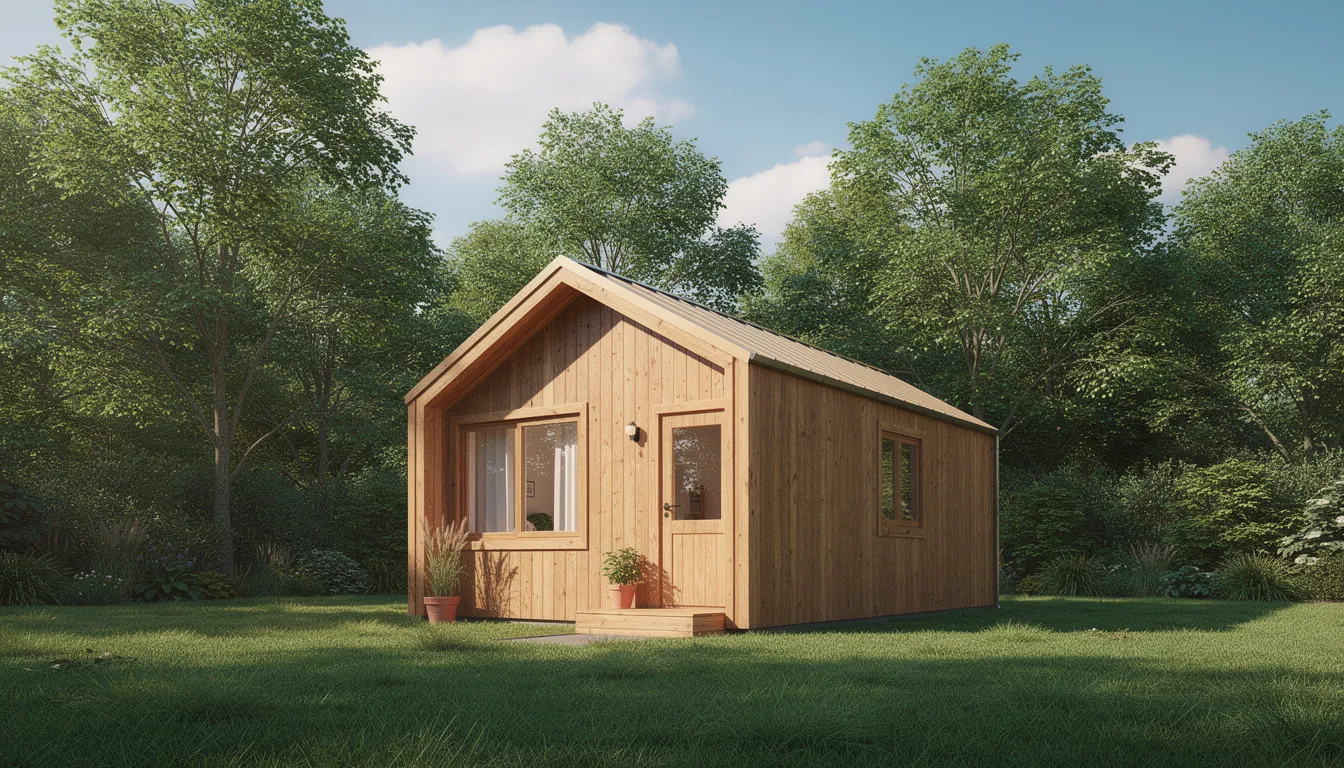
Rent to own sits somewhere between renting and buying. You sign an agreement to use the tiny home while making monthly payments that work toward ownership over time.
Here’s how the payments usually break down. Part of each payment covers the cost of using the home (similar to rent). The other part goes toward the purchase price or a final buyout amount. Over months and years, those contributions add up.
A few terms you’ll see in most contracts:
Term
What It Means
Purchase price
The total cost of the tiny home
Term length
How long you’ll make payments (36, 48, or 60 months are common)
Down payment
An initial amount paid upfront, often $500 to $2,500
Early payoff amount
What you’d owe if you wanted to pay off the balance early
In most rent to own tiny home programs, you get to use the building while you pay for it. You’re not waiting until the final payment to start enjoying your space.
Contracts do differ by state and company. Always read the actual agreement before signing. If something feels unclear, ask for it in writing.
Here’s a simple, step-by-step look at how a typical rent to own process works in the U.S. as of 2024.
Step 1: Choose your tiny home type and size
You’ll start by selecting what kind of structure fits your needs. Options often include:
Common sizes include 10x20 ft, 12x32 ft, and 14x40 ft.
Step 2: Complete a basic application
Most providers ask for your ID, placement address, and simple income information. Many programs run no hard credit pull, which means your credit score isn’t affected by the application.
Step 3: Review terms and sign the agreement
The provider calculates your total price, down payment, and monthly payment based on the term length you choose. Typical down payments range from $500 to $2,500, or sometimes one month’s rent.
Step 4: Schedule delivery
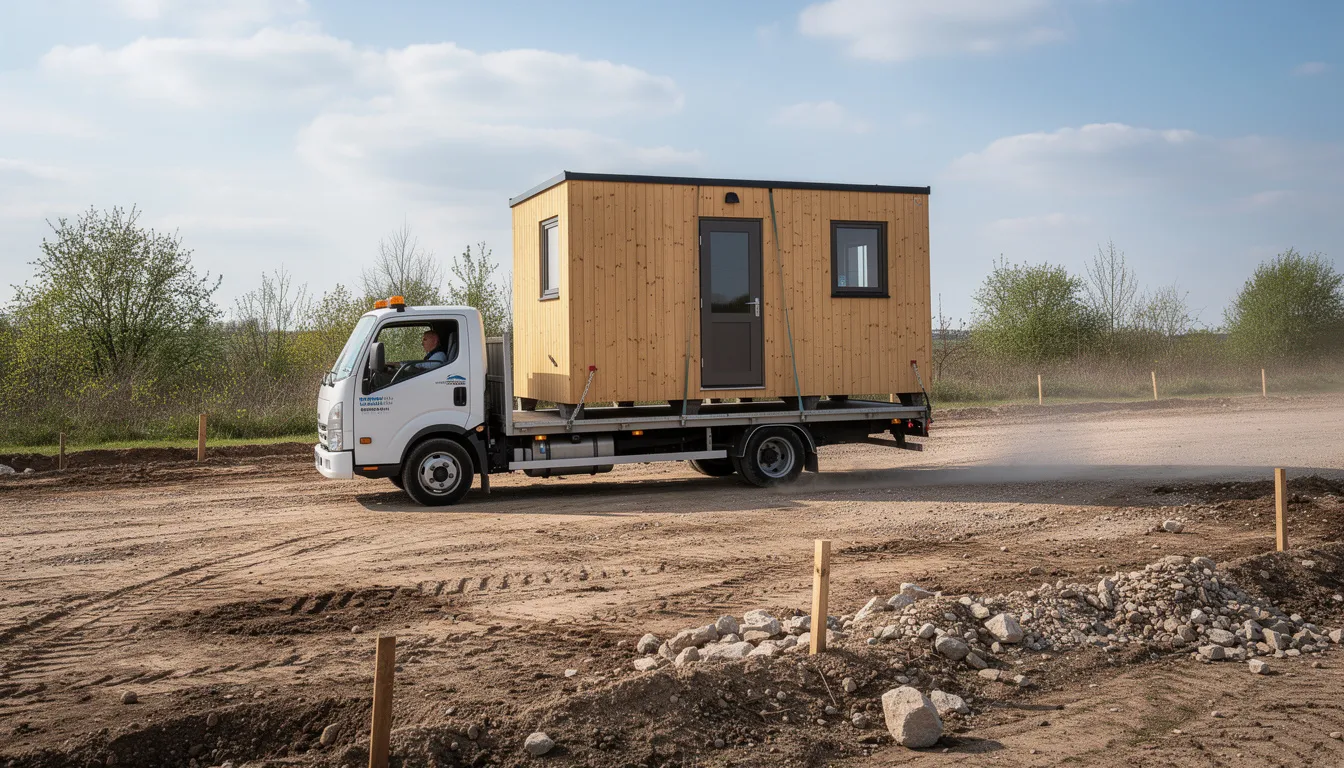
Once the contract is signed and your first payment is made, the company schedules delivery to your land or pad.
Take your time with each step. Ask for every fee and term in writing before you commit.
Requirements for rent to own are usually simpler than what you’d face with a mortgage. But they’re still important to understand.
Personal requirements:
Land requirements:
You’ll need proof that you have somewhere to put the home. This could be:
Site needs:
Some cities and counties in Texas, California, Colorado, and throughout the Midwest may require permits or zoning approval for tiny homes. The rules vary widely.
Before you get too far into the process, call your local zoning office. A quick conversation can help you avoid surprises around code, utilities, and whether your tiny home can be placed permanently or only temporarily.
Flexible financing sounds nice, but what does it actually look like in numbers?
Most rent to own programs offer term lengths of 24, 36, 48, or 60 months. Longer terms mean lower monthly payments, but they also mean paying more over time.
Here’s a concrete example:
A $24,000 tiny home with $1,500 down might cost around $475 to $550 per month on a 60-month plan in 2024. A shorter term would raise the monthly payment but reduce total cost.
Term Length
Estimated Monthly Payment
Total Paid (Approx.)
36 months
$650–$750
$25,000–$28,500
48 months
$525–$625
$26,700–$31,500
60 months
$475–$550
$30,000–$34,500
Note: These are examples only. Actual terms vary by provider and structure.
Many companies allow extra principal payments or larger monthly amounts. That way, you can pay off the home more quickly if your financial situation improves.
Payments are often auto-drafted each month. Late fees and consequences for missed payments are listed in the contract. Read that section carefully.
The goal is to find a monthly number that leaves room in your budget for utilities, food, and everyday life. Not just a payment you can technically afford, but one that feels sustainable.
Many rent to own tiny home programs advertise “no credit check” and “no early payoff penalty.” Let’s unpack what those terms actually mean.
No credit check
This usually means no hard pull on your credit report. A hard inquiry can lower your score temporarily, so avoiding one is helpful if your credit is limited or recovering.
However, providers still assess risk in other ways. They might ask about:
Some may require a higher deposit if they see more risk.
No early payoff penalties
This means you can pay off the remaining balance at any time during the agreement without extra fees. If your finances improve, you have the freedom to finish the contract early.
Here’s an example. After 30 months of on-time payments, a family decides to use savings or a small personal loan to pay off the remaining balance. With no penalty, they simply pay what’s owed and receive full ownership.
Ask for an exact written payoff schedule upfront. That way, you always know what you’d owe if you chose to pay early.
Rent to own is just one of several paths to tiny home ownership. But for the right situation, it offers some clear advantages.
Low upfront cost
Compared to paying cash or funding full construction, the barrier to entry is much lower. Often, you’re only looking at a deposit plus the first month’s rent to begin.
Accessible to more people
This option can work for people with little or no credit history, self-employment income, or recent financial changes. A traditional mortgage might not be available, but rent to own might be.
Lifestyle flexibility
You can start with a shell for storage or a workspace, then slowly convert it into a living space over a few years. The structure grows with your needs.
Emotional benefit
There’s something meaningful about having a space of your own. Whether it’s a personal retreat in your backyard, a guest tiny house, or your primary small home, it can create a sense of stability.
Small, manageable steps toward ownership often feel more sustainable than rushing into a large mortgage with years of commitment.
It’s healthy to look at both the pros and the cons before signing any contract. Rent to own has real benefits, but it also comes with some risks.
Higher total cost
Over time, you’ll likely pay more than if you purchased the tiny home outright. Built-in fees and finance charges add up across a 48- or 60-month agreement.
Repossession risk
If payments are missed, the provider may reclaim the tiny home. In many cases, past payments may not be refunded. The Federal Trade Commission has warned that money put into rent to own agreements could have been saved for a traditional down payment instead.
Zoning and legality concerns
In some towns, full-time living in a tiny home on wheels is not yet recognized by local code. That can affect your long-term plans if you’re hoping to use it as a primary residence.
Contract restrictions
Many RTO contracts are strict about moving the home to another property without written permission. If your life changes and you need to relocate, this could be a challenge.
If anything in the agreement feels unclear, consider having a local attorney or trusted advisor review it before you sign.
The term “tiny home” covers a range of small structures. Understanding what’s available can help you make a great choice for your situation.
Finished tiny homes on wheels (THOW)
These are typically 200 to 400 square feet and delivered fully built. They’re ready for utility hookups and often include kitchen, bathroom, and sleeping areas.
Cabin shells
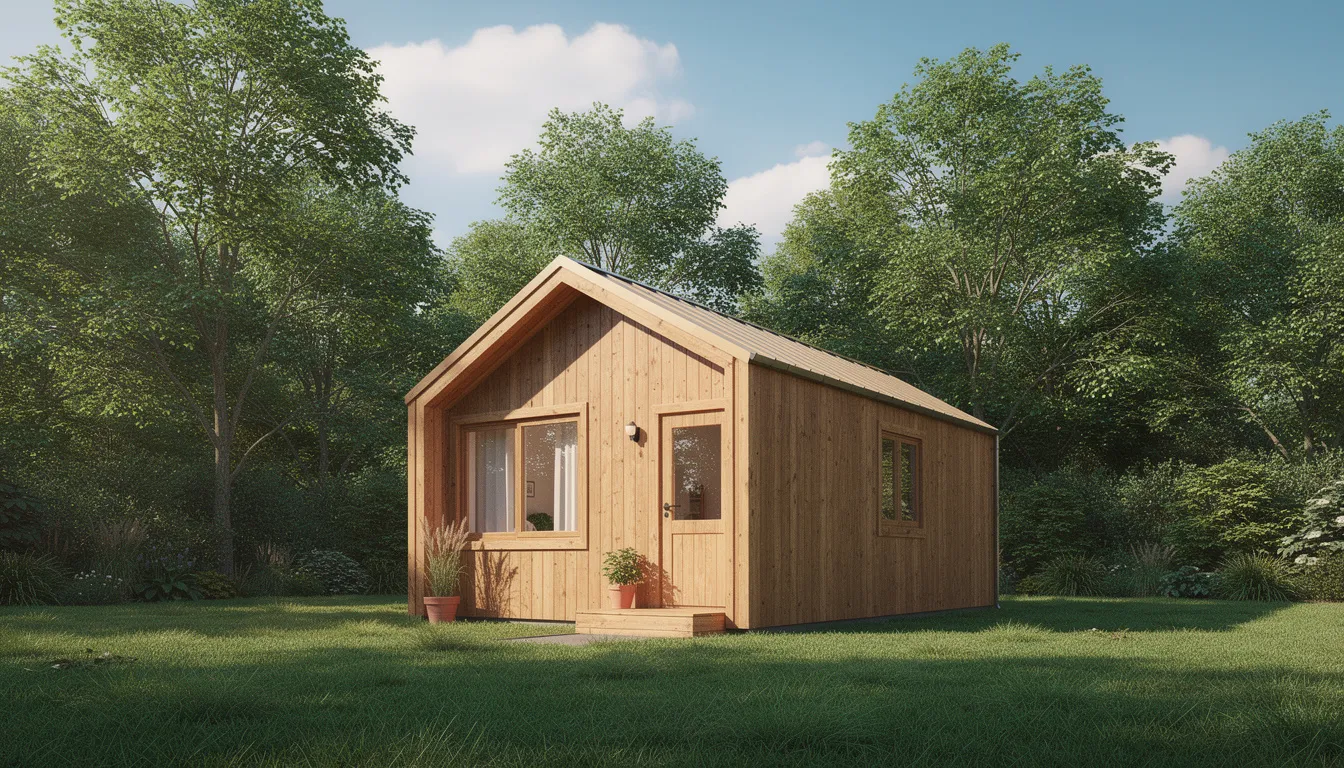
Sizes like 10x20 ft, 12x32 ft, or 14x40 ft arrive unfinished inside. They’re designed for DIY customization over time. This is a good fit if you want to dream building and create your interior step by step.
Lofted barns and gable cabins
These shed-style buildings are popular as offices, hobby rooms, guest suites, or storage units. Many families begin with one purpose and later convert the space for something else.
Park-model tiny homes
Around 399 square feet, these units are designed to be placed in RV or tiny home communities. They often offer financing through the park or community.
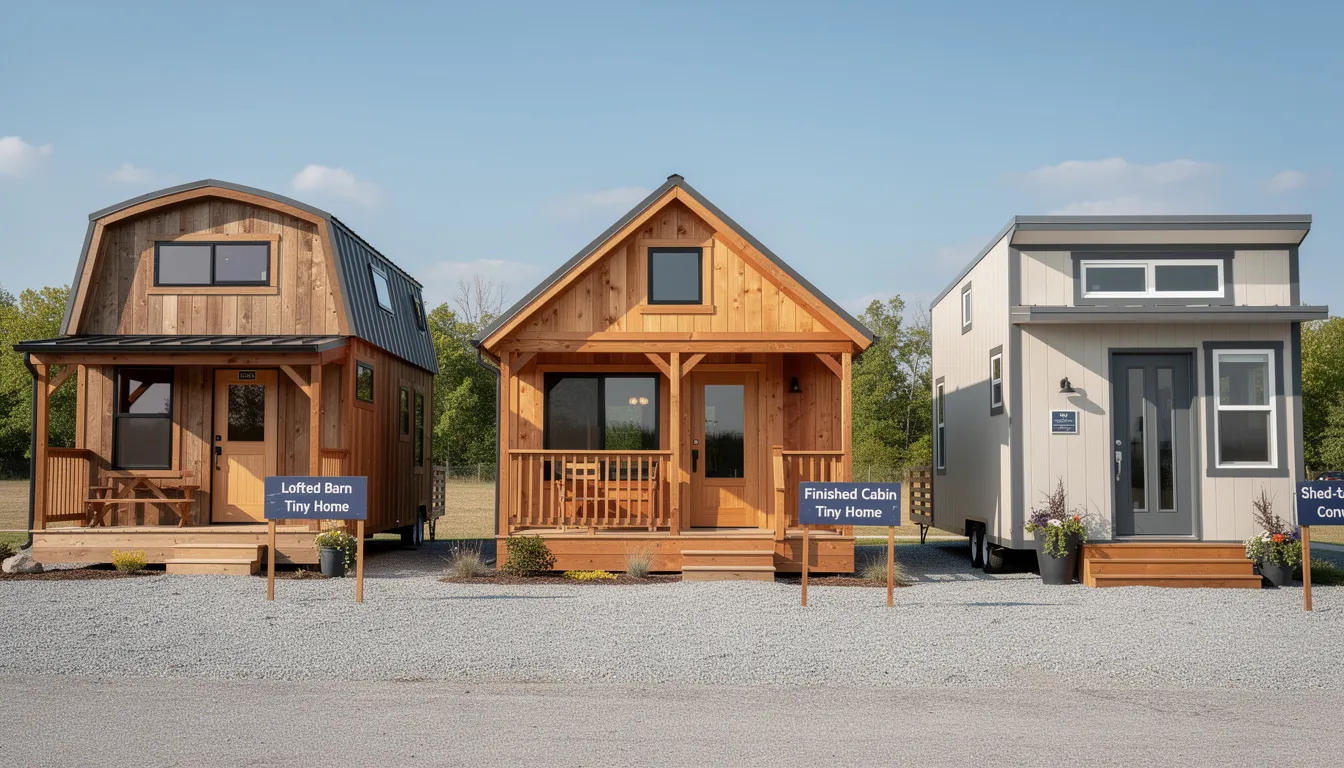
Choose a style that fits both your land and your long-term lifestyle. Not just what looks appealing on day one, but what will work for your life over time.
Rent to own is only one option. Here’s a brief look at how it compares to traditional financing and plain renting.
Option
Credit Needed
Ownership
Equity Building
Upfront Cost
Personal loan or RV loan
Yes (credit check required)
From day one
Yes
Varies (down payment)
Rent to own
Often minimal
At end of term
Yes (gradual)
Low
Renting apartment/house
Usually yes
No
No
Security deposit
Traditional financing
A personal loan or RV loan involves a credit check, a fixed interest rate, and ownership from day one. If you qualify, this path may cost less over time.
Regular renting
Monthly payments build no equity, but you have fewer maintenance responsibilities. For some, renting makes sense while saving for a future purchase.
Rent to own
This sits in the middle. It’s more accessible than many loans and more ownership-oriented than renting. But it’s often more expensive over the full term.
Ask yourself: How long do I plan to stay? Do I want responsibility for repairs right away? What can I realistically spend each month?
Run simple side-by-side cost estimates over three to five years before choosing your path.
If you’re feeling interested and ready to explore rent to own options in the next six to twelve months, here’s a calm, practical checklist.
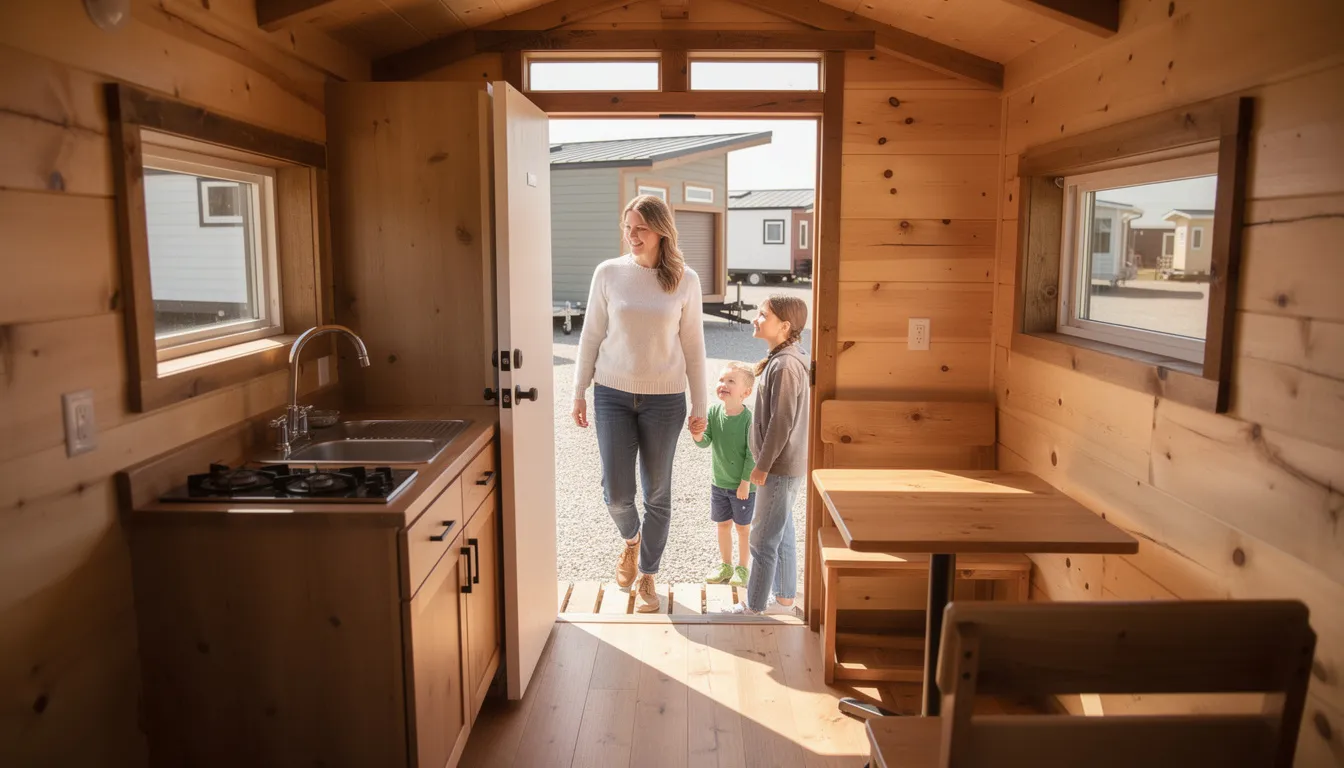
You can move at your own pace. There’s no rush. The right choice is the one that feels sustainable for your life.
Rent to own tiny homes offer a gentle, gradual path into small-space living and ownership. For many families, they fill a gap between what traditional financing requires and what’s actually possible right now.
Weigh the flexibility and lower barriers against the higher long-term cost and contract responsibilities. Neither is right or wrong. It depends on your situation.
Think about how you want your daily life to feel in a small space. Not just what you want to pay each month, but what kind of freedom and stability you’re working toward.
Creating a simple, right-sized home takes time. One careful decision at a time, at a pace that feels right for you, is often the most sustainable way forward.



.png)